 By Emily Zhang
Our Editorial Research & Methodology
The Rental Lighting Struggle is Real
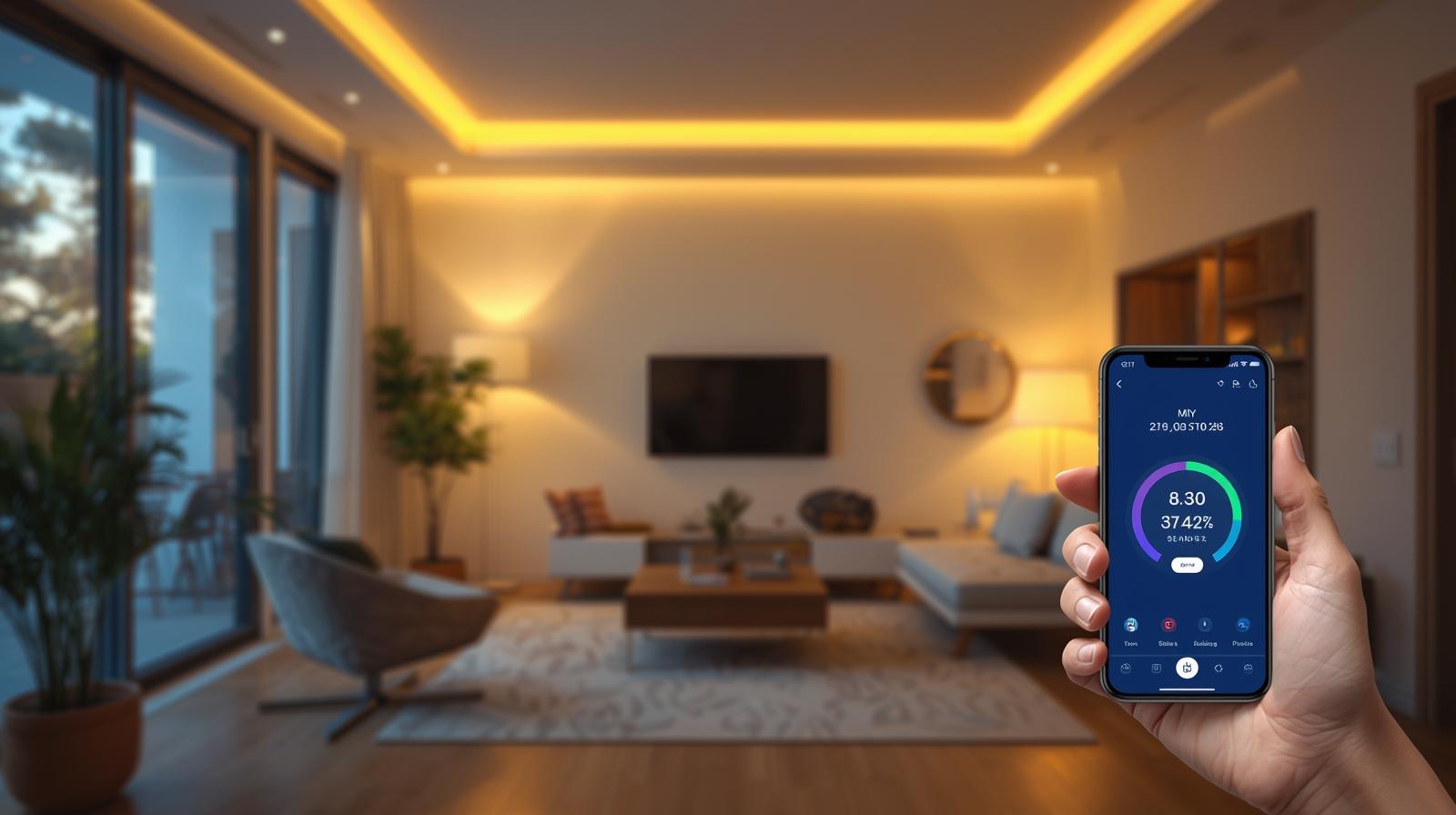
Let’s be honest: most rental apartments have the lighting personality of a cardboard box. You’re usually stuck with that one flickering overhead 'boob light' in the hallway or a kitchen fluorescent that makes you look like a background extra in a hospital drama. But here is the thing: you do not have to live like this. In 2026, the 'no-rewiring' rule is no longer a barrier to a high-end smart home experience.
I have spent years testing gear in apartments where the landlord would have a heart attack if they saw a wire nut. The good news? You can transform your entire living space using nothing but your phone, a few clever gadgets, and zero electrical tape. We are talking about lighting that wakes you up gently, sets the mood for movie night, and turns itself off when you leave—all while keeping your security deposit perfectly intact.
Why Renters Should Skip the Hardwired Switches
In a house you own, you’d swap out the wall switch for a smart one. In a rental, that is a recipe for a headache. Not only is it often a lease violation, but it is also a pain to reverse when you move. The goal here is 'plug-and-play.' We want tech that you can pack into a box in twenty minutes when your lease is up. By focusing on bulbs, plugs, and over-the-switch controllers, you get all the benefits of a smart home with none of the liability.
The Foundation: Smart Bulbs and the Matter Revolution
If you are just starting, smart bulbs are your best friend. You just unscrew the old, dusty incandescent and pop in a new one. But do not just buy the cheapest Wi-Fi bulbs you find on a clearance rack. By now, in early 2026, Matter-over-Thread is the standard you should be looking for. It is faster, more reliable, and doesn't clog up your Wi-Fi router like older tech did.
🏆 Our Top Picks
Philips Hue White and Color Ambiance A19 Matter-Enabled
The gold standard for color accuracy and reliability. These bulbs now support Matter natively, making them compatible with any ecosystem. Best for those who want the highest quality light and a massive range of pre-set scenes.
Check Price on Amazon →Lutron Aurora Smart Bulb Dimmer
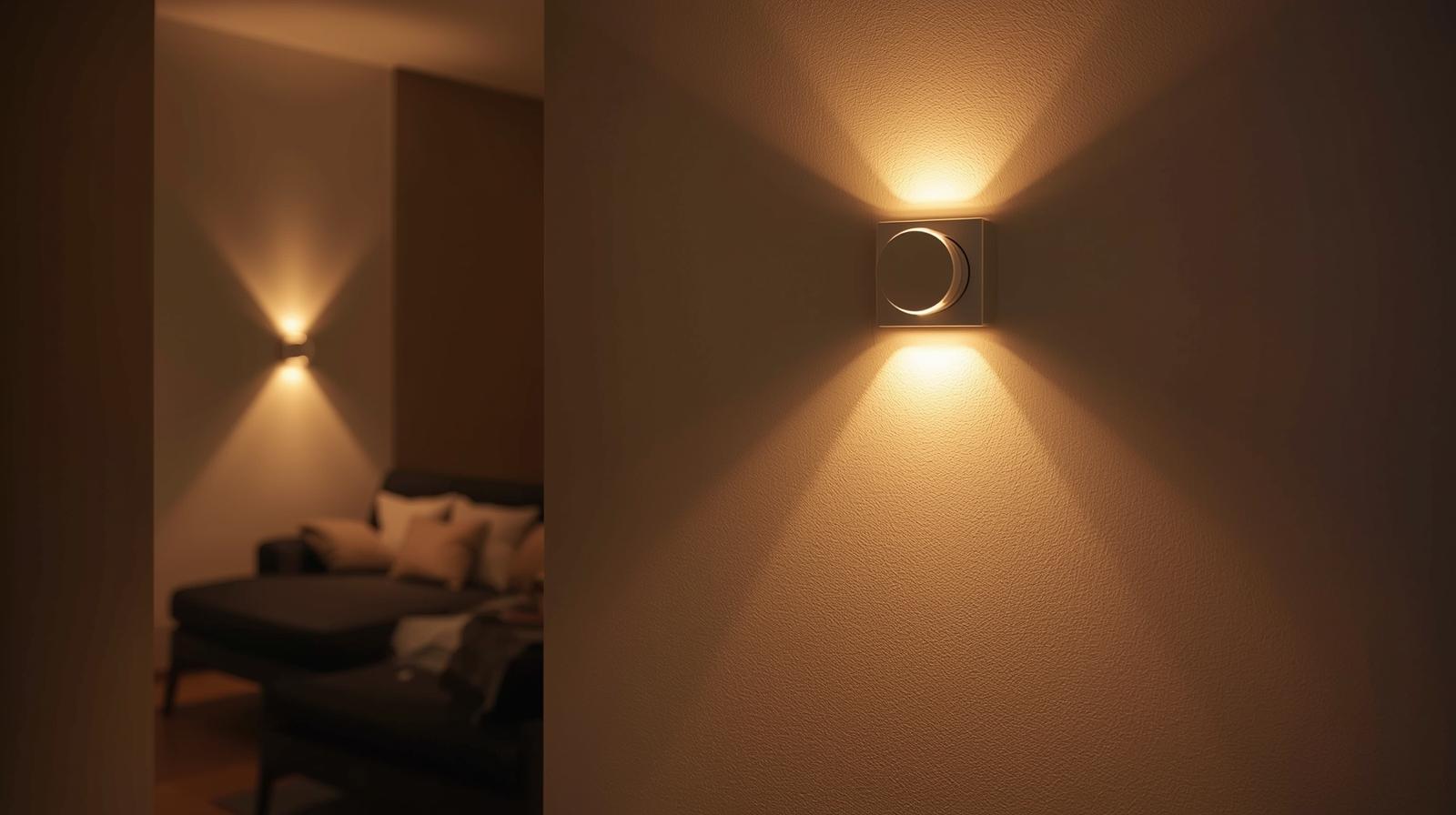
The perfect solution for renters with toggle switches. It snaps over your existing switch to prevent people from cutting power to your smart bulbs while providing a physical dimming dial. It is a lifesaver for guest rooms and kitchens.
Check Price on Amazon →Nanoleaf Essentials Matter Smart Bulb (Thread)
An affordable, high-performance bulb that uses Thread for near-instant response times. It features a unique rhombicosidodecahedron shape that looks great in exposed fixtures. Best for building a fast, responsive mesh network on a budget.
Check Price on Amazon →Govee M1 Matter LED Strip Light
A high-density LED strip with 4-in-1 RGBIC technology for smooth color transitions. It includes Matter support for easy integration and uses a strong but removable adhesive. Ideal for under-cabinet or behind-the-TV accent lighting.
Check Price on Amazon →SwitchBot Bot (Mechanical Button Pusher)
A clever little robot that physically presses buttons or flips switches for you. It is the ultimate 'no-rewiring' tool for appliances or light switches that don't have smart bulb equivalents. Best for weird, non-standard fixtures.
Check Price on Amazon →What most people miss is the 'CRI' or Color Rendering Index. Cheap smart bulbs make colors look flat and gray. Look for bulbs with a CRI of 90 or higher. This ensures that your food looks appetizing and your clothes look the right color when you are getting dressed. In my experience, spending an extra five dollars per bulb for better color quality is the single best investment you can make for your home's vibe.
Choosing the Right Socket Type
Before you go on a shopping spree, take a lap around your apartment. You likely have a mix of these:
- E26/E27: The standard 'screw-in' bulb found in most lamps and overheads.
- GU10: Those little two-pronged bulbs often found in track lighting or recessed cans.
- BR30: The larger, flat-faced bulbs used in 'pot lights' or recessed ceiling fixtures.
Pro tip: Keep the original 'dumb' bulbs in a labeled box. When you move out, swap them back in and take your expensive smart bulbs with you to the next place.
Smart Plugs: Making 'Dumb' Lamps Genius
You probably have a favorite floor lamp or a vintage desk light that uses a weird bulb size. You don't have to give up on it. A smart plug is the ultimate renter's 'cheat code.' You plug the lamp into the smart plug, and the plug into the wall. Boom—instant automation.
In 2026, smart plugs have become incredibly small. You can now find 'thin' models that don't block the second outlet on the wall. I use these for everything from my coffee maker to the decorative neon sign in my living room. They are also great for holiday lights. Instead of crawling behind the tree to unplug it, you just tell your voice assistant to 'turn on Christmas.'
The Switch Problem: How to Control Lights Without an App
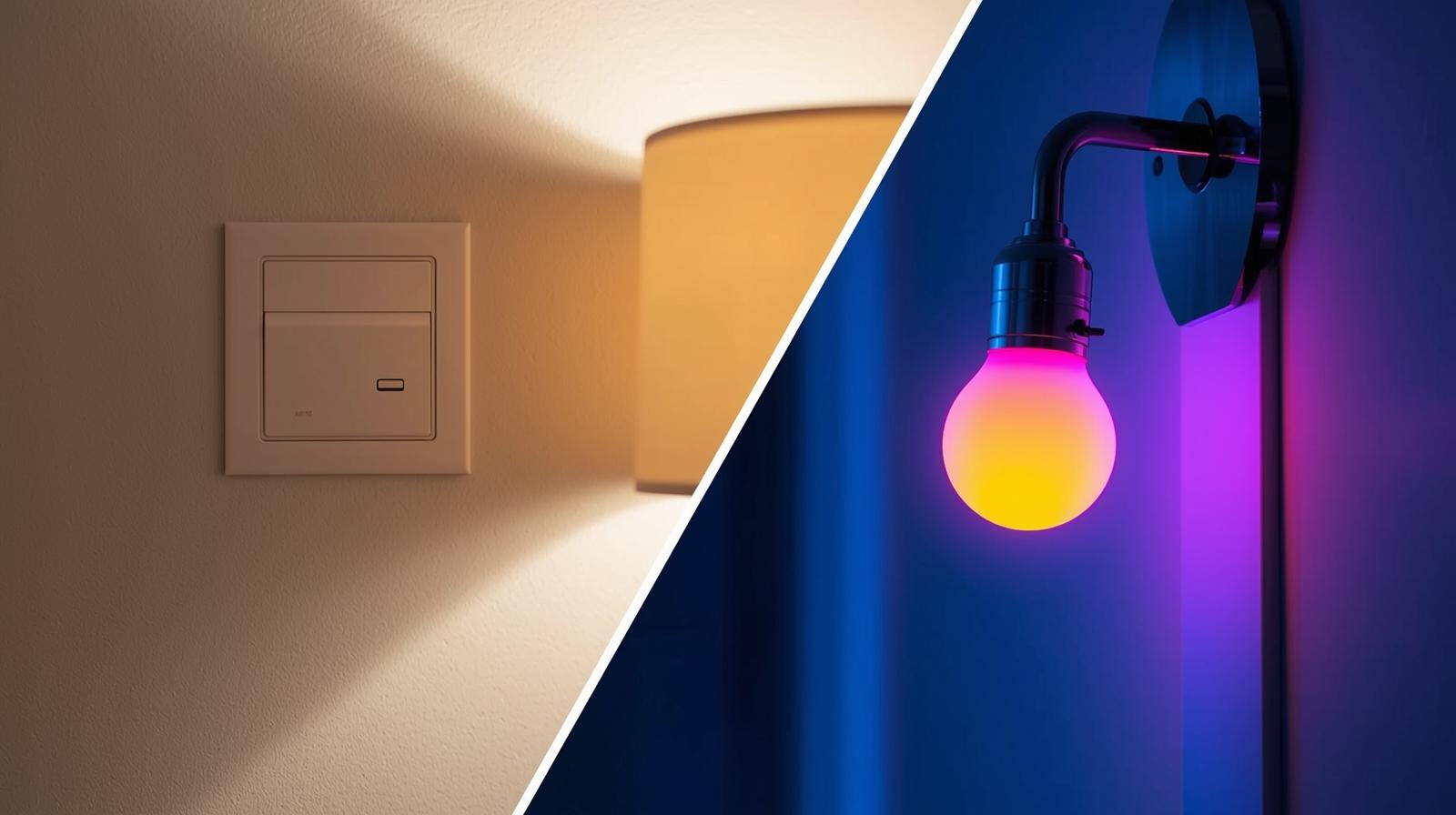
Here is a common scenario: you install smart bulbs, but then your guest (or your partner) flips the physical wall switch. Now the bulb has no power, and your 'smart' home is suddenly very dumb. You can't replace the switch, so what do you do? You use a switch cover.
Devices like the Lutron Aurora or SwitchBot Bot are designed specifically for this. The Lutron Aurora, for example, snaps right over a standard toggle switch. It locks the switch in the 'on' position and gives you a beautiful dimming knob to control your smart bulbs. It looks professional, requires zero tools, and pops off in seconds when you move. It solves the biggest friction point in any smart home: the need for physical controls.
Accent Lighting: Beyond the Ceiling
If you really want that 'luxury condo' look, you need to think about layers. Overhead lighting is functional, but accent lighting is what makes a home feel cozy. This is where LED light strips come in. Most modern strips come with 'renter-friendly' adhesive, but be careful—some of that glue is strong enough to peel paint.
Where to Place Light Strips
| Location | Effect | Installation Tip |
|---|---|---|
| Behind the TV | Reduces eye strain and adds 'bias' lighting. | Use clips instead of just the adhesive for corners. |
| Under Kitchen Cabinets | Makes food prep easier and looks high-end. | Hide the wires behind the cabinet lip. |
| Under the Bed | Creates a 'floating' effect and acts as a nightlight. | Use a motion sensor to trigger it at 10% brightness. |
| Behind a Bookshelf | Adds depth to the room and highlights decor. | Run the strip vertically along the back edge. |
In my experience, the key to light strips is diffusion. If you can see the individual little LED dots, it looks cheap. Use a plastic diffuser channel or hide the strip so the light bounces off a wall. This creates a soft, even glow that looks like it was built into the architecture.
The Ecosystem: Thread, Zigbee, or Wi-Fi?
This is where things get a bit technical, but stay with me. In 2026, you have three main choices for how your lights talk to each other. If you choose wrong, your lights will be slow to respond or constantly 'offline.'
- Thread: This is the gold standard. It creates a 'mesh' network where every plugged-in device strengthens the signal. It is fast, works without the internet, and is part of the Matter standard.
- Zigbee: Very reliable and used by brands like Philips Hue. It requires a 'hub' or 'bridge' plugged into your router. It is great for large setups but adds one more box to your shelf.
- Wi-Fi: The cheapest option. Fine for two or three bulbs, but if you put 20 Wi-Fi bulbs in a small apartment, your Netflix will start buffering. Avoid this for large-scale setups.
I always recommend starting with a Matter-compatible hub (like a HomePod, Nest Hub, or Echo) and sticking to Thread-enabled bulbs. It is the most future-proof way to build your system.
Automation: Making the Magic Happen
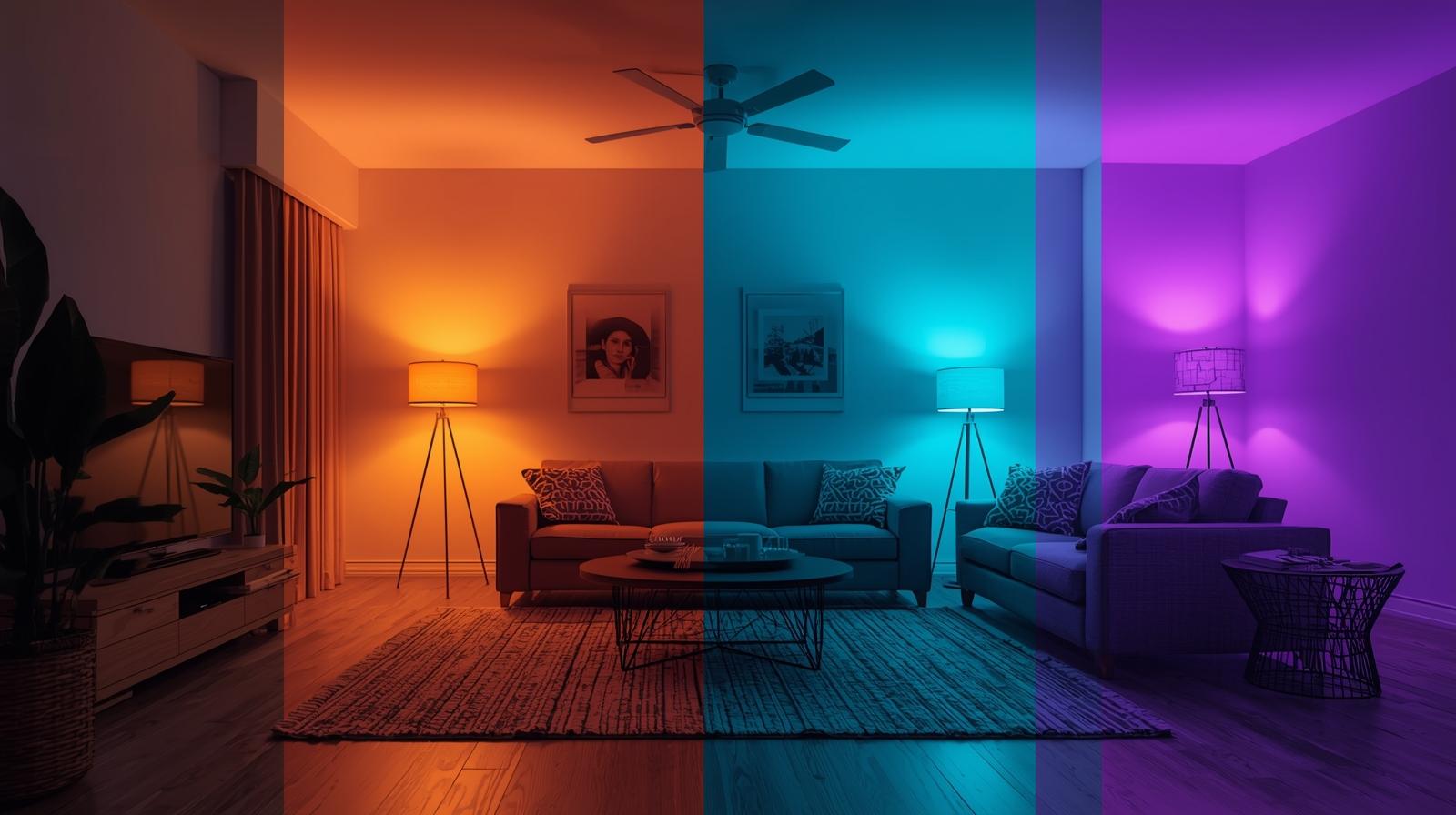
Smart lighting isn't just about changing colors to purple for a party. It is about making your life easier. Here are three automations every renter should set up immediately:
1. The 'Gentle Wake' Routine
Instead of a blaring alarm, set your bedroom lights to slowly brighten over 20 minutes, starting at 7:00 AM. By the time your phone starts buzzing, your brain already thinks the sun is up. It is a much less violent way to start the day.
2. The 'I'm Home' Scene
Use geofencing (your phone's GPS) to detect when you are within a block of your apartment. If it is after sunset, have your entryway and living room lights turn on automatically. Walking into a bright, warm home is a lot better than fumbling for a switch in the dark with three bags of groceries.
3. The 'Goodnight' Trigger
One command—'Goodnight'—should turn off every light in the house, lock your smart lock (if you have one), and dim the bedside lamp to 5%. No more walking around the apartment to check every switch before bed.
Common Pitfalls to Avoid
I have made every mistake in the book so you don't have to. First, don't buy 'Bluetooth-only' bulbs. They only work when you are in the same room, which defeats the purpose of automation. Second, don't forget about your 'dumb' roommates or guests. If they can't figure out how to turn on the bathroom light without an app, your system has failed.
Lastly, be mindful of your Wi-Fi signal. Apartment buildings are crowded with signals from your neighbors. If your smart devices are struggling, it might be because of interference. This is another reason why Thread is superior—it operates on a different frequency and doesn't care how many Wi-Fi networks your neighbors have running.
Final Thoughts for the Modern Renter
Smart lighting is the most impactful change you can make to a rental property. It changes how you feel in your space, how you sleep, and how you entertain. And because everything we have discussed is non-permanent, you can take your 'smart home' with you wherever you go next. Start small with a couple of bulbs in the living room, and I promise, you will never want to go back to 'dumb' lighting again.
Frequently Asked Questions
Will smart bulbs increase my electric bill?
Actually, they usually decrease it. Smart bulbs are LEDs, which use very little power, and the ability to automate them ensures lights aren't left on in empty rooms.
Do I need a hub for smart lighting?
In 2026, if you use Matter-over-Thread bulbs, you just need a 'Border Router' like a modern smart speaker or TV. You no longer need a proprietary hub for every different brand.
Can I use smart bulbs in 'enclosed' fixtures?
Check the bulb's packaging. Some LEDs run hot and need airflow. If the fixture is completely sealed, look for bulbs specifically rated for 'enclosed fixtures' to prevent premature failure.