 By James Carter
Our Editorial Research & Methodology
The Reality of Heating a New York Apartment
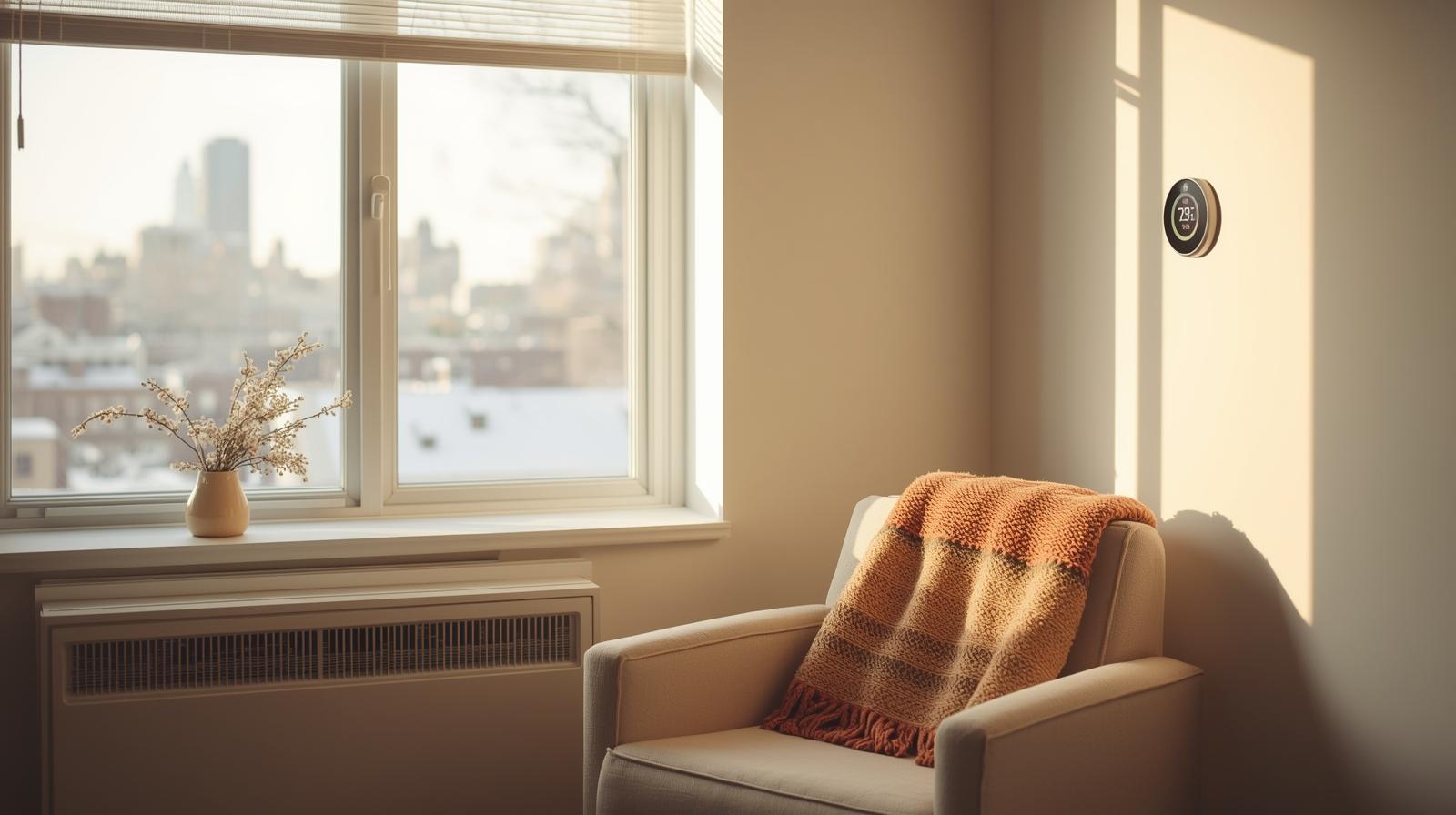
You know the drill. It is mid-February in New York, and your apartment is either a literal sauna or a walk-in freezer. There is rarely a middle ground. If you live in a pre-war building, you are likely dealing with steam radiators that clank like a ghost in the night. If you are in a modern high-rise, you might have forced air that dries out your skin in minutes. In 2026, we should be past the point of opening windows in the dead of winter just to regulate the temperature. Smart heating technology has finally caught up to the unique architectural chaos of New York City.
The goal here is simple: comfort and cost control. With ConEd rates continuing to climb, every degree matters. But more than that, it is about taking control of a system that has historically been out of your hands. Whether you own a brownstone in Bed-Stuy or rent a studio in Yorkville, there are ways to drag your heating system into the modern era. Here is how we do it.
The Infrastructure Problem
Before you buy a single gadget, you have to understand what you are working with. Most NYC residents deal with one of three systems: steam heat (radiators), hydronic (hot water) baseboards, or forced air (HVAC). Each one requires a different smart strategy. You cannot just slap a Nest on a wall and call it a day if your building is running on a central boiler from 1924. You have to work with the physics of the building, not against them.
Smart Radiator Valves: The NYC Holy Grail
If you have those big, cast-iron radiators, you probably think smart heating is not for you. You are wrong. Smart Thermostatic Radiator Valves (TRVs) are the single most important upgrade for any New Yorker with steam or hot water heat. In the past, your radiator was either on or off. A smart TRV replaces the manual knob and allows you to set a specific temperature for that specific room.
🏆 Our Top Picks
Google Nest Learning Thermostat (4th Gen)
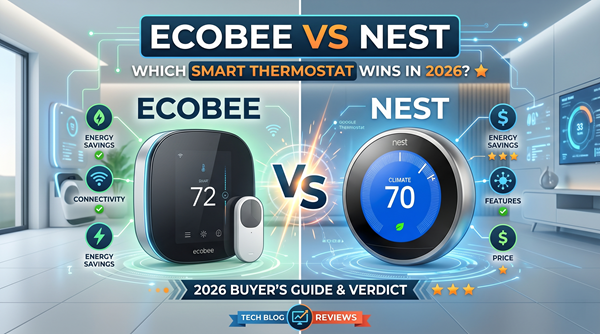
The gold standard for adaptive scheduling. It learns your habits within a week and adjusts for NYC's fluctuating winter temperatures without manual input. It is ideal for forced-air systems and features a high-res display that fits modern aesthetics.
Check Price on Amazon →Ecobee Smart Thermostat Premium
Best for apartments with uneven heating. It includes a remote sensor to prioritize the temperature in your actual living space rather than a drafty hallway. It also features a built-in air quality monitor, which is vital for NYC apartments during stagnant winter months.
Check Price on Amazon →Eve Thermo Smart Radiator Valve
The ultimate solution for NYC steam radiators. It uses Thread technology for a rock-solid connection through thick walls and allows for precise room-by-room scheduling. Note that it requires a compatible valve body, which most NYC radiators already have.
Check Price on Amazon →Mysa Smart Thermostat for Electric Baseboard
Specifically designed for high-voltage electric baseboard heaters often found in renovated Brooklyn lofts. It provides the same level of automation as Nest but for systems that would normally fry a standard smart thermostat. It is sleek, minimalist, and very reliable.
Check Price on Amazon →Flair Smart Vent
If your forced-air system makes one room a desert and another the arctic, these smart vents are the fix. They replace standard floor or wall registers and open/close automatically based on room temperature. A bit noisy, but incredibly effective for balancing airflow.
Check Price on Amazon →Imagine this: your bedroom stays a crisp 66 degrees for sleeping, while your home office warms up to 72 degrees right as you start your first meeting. This is not science fiction; it is just better plumbing. These valves use small motors to restrict or allow steam flow based on the ambient temperature they sense. In my experience, this is the only way to stop the 'window-open' waste that defines NYC winters.
Why Matter and Thread Change the Game
By 2026, the smart home world has fully embraced Matter and Thread. This is huge for NYC apartments with thick plaster and lath walls that eat Wi-Fi signals for breakfast. Thread-enabled radiator valves create a mesh network. They do not all need to reach your router; they just need to reach each other. This ensures that the valve in the back bedroom actually responds when you tell it to, rather than 'going offline' every time someone uses the microwave.
The C-Wire Headache and How to Fix It
If you have a thermostat on your wall, you might be excited to swap it for a smart one. Then you pull the old one off and realize there are only two wires. No 'C-wire' (common wire) means no constant power for a fancy touchscreen thermostat. This is a classic New York problem. Most old systems were designed for simple mercury switches that did not need electricity to run.
You have three choices here. First, you can buy a thermostat that includes a Power Extender Kit (PEK). Second, you can look for a model that runs on batteries, though these often lack the best features. Third, and most recommended for 2026, is using a plug-in transformer that hides the wire behind the wall. It is a bit of a DIY project, but it beats having a dead thermostat in the middle of a January blizzard.
Heat Pumps and the 2026 Electrification Push
New York is in the middle of a massive shift. Local Law 97 is pushing buildings to decarbonize, which means more and more of us are seeing heat pumps replace old gas furnaces. Heat pumps are incredibly efficient, but they require a different mindset. Unlike a furnace that blasts heat and then shuts off, heat pumps work best when they maintain a steady temperature.
Smart thermostats for heat pumps are specialized. They use 'auxiliary heat' logic to make sure you are not using expensive electric strip heating unless it is absolutely necessary. If your building has recently switched to a VRF (Variable Refrigerant Flow) system, you need a smart controller that can talk to that specific brand. It is more complex, but the energy savings are massive—often cutting bills by 30 percent compared to old electric baseboards.
The Comparison of Heating Systems
| System Type | Smart Solution | Difficulty Level | Primary Benefit |
|---|---|---|---|
| Steam Radiator | Smart TRVs | Medium | Room-by-room control |
| Forced Air | Smart Thermostat + Vents | Easy | Scheduling and Geofencing |
| Electric Baseboard | High-Voltage Smart Stat | Medium | Massive cost savings |
| Mini-Split / Heat Pump | Smart IR Controller | Very Easy | Remote phone control |
Smart Sensors: Your Secret Weapon
The biggest mistake people make is putting the thermostat in the hallway. Nobody lives in the hallway. In a drafty New York apartment, the temperature near the window is ten degrees colder than the temperature in the center of the room. This is where remote sensors come in. You can tell your system to ignore the thermostat's internal reading and instead focus on the sensor sitting on your nightstand.
In my experience, placing sensors in 'cold spots' helps the system understand the true thermal profile of your home. Some modern sensors even detect occupancy. If you are not in the living room, why heat it to 72? The system can automatically dial back the heat when it sees the room is empty, then ramp it up the second you walk in. It is a seamless way to save money without ever touching a dial.
Automation for the Busy New Yorker
The real power of smart heating is not the app; it is the automation. You should rarely have to open the app. Geofencing is a lifesaver for anyone with an unpredictable schedule. When your phone leaves a two-block radius of your apartment, the heat drops to 62. When you hit the subway station on your way home, the heat kicks back up to 70. By the time you are walking up the stairs, the place is perfect.
You can also tie your heating into the weather forecast. If the system sees a 'Polar Vortex' is hitting NYC tomorrow, it can pre-heat the home slightly during off-peak hours when electricity is cheaper. This kind of 'load shifting' is becoming essential as New York moves toward a more strained electrical grid. It is about being a smart citizen as much as it is about being comfortable.
Dealing with Drafts: The Low-Tech Tech
No smart heater can fix a hole in the wall. New York windows are notorious for being poorly sealed. Before you spend 500 dollars on gadgets, spend 20 dollars on weatherstripping. However, you can use tech to find the leaks. Thermal leak detectors (or even a cheap infrared camera attachment for your phone) will show you exactly where the cold air is screaming in. Often, it is not the window itself, but the frame or the AC sleeve that was never properly insulated. Fix the envelope first, then automate the heat.
The ROI: Is It Worth It?
Let's talk numbers. A full smart heating setup for a two-bedroom NYC apartment might cost you between 300 and 600 dollars. If you save 15 percent on your monthly winter heating bill—which is a conservative estimate—you are looking at a payback period of about two to three winters. But the ROI is not just financial. It is the end of the 'radiator hiss' waking you up. It is the end of coming home to a freezing apartment. It is the peace of mind that you are not wasting energy while you are at work. In a city as stressful as New York, that kind of comfort is worth every penny.
Frequently Asked Questions
Can I install a smart thermostat in a rental apartment?
Yes, but keep your old thermostat. Most smart thermostats are 'plug and play' and can be swapped back when you move out. Just ensure you don't violate your lease by drilling new holes.
Do smart radiator valves work with steam heat?
They do, provided you have a one-pipe or two-pipe system where the valve is accessible. They are the most effective way to balance heat in old NYC buildings.
What is the best temperature to set for energy savings?
In NYC, 68 degrees while you are home and 62 degrees while you are away or asleep is the sweet spot for balancing comfort and ConEd bill reduction.