 By Michael Thompson
Our Editorial Research & Methodology
The Smart Home Landscape in 2026
If you tried building a smart home five years ago, you probably remember the headache. You had five different apps, three different hubs, and a constant prayer that your light bulbs would actually turn off when you asked them to. It was a mess of competing standards and broken promises.
Fast forward to February 2026, and the game has changed. We are now firmly in the era of Matter 1.4. This universal language means that devices finally talk to each other regardless of the brand. But here is the thing: just because everything can work together doesn't mean every starter kit is worth your money. Some are still clunky, some are overpriced, and some are just plain boring.
In my experience, the best starter kit isn't the one with the most gadgets. It is the one that builds a solid foundation. You want a system that is fast, works without the internet, and doesn't require a computer science degree to set up. Let's dive into what actually matters when you are starting out today.
Why Matter and Thread are Non-Negotiable
Before you spend a single dollar, you need to understand two words: Matter and Thread. In 2026, if a device doesn't support these, leave it on the shelf. Matter is the software standard that lets an Apple device talk to an Amazon plug. Thread is the wireless mesh network that makes it happen without slowing down your Wi-Fi.
🏆 Our Top Picks
Aqara Hub M3
The most versatile hub of 2026. It supports Matter, Thread, Zigbee, and even has an IR blaster to control old TVs or AC units. It excels at local automation, meaning your home stays smart even without an internet connection.
Check Price on Amazon →Philips Hue Bridge & Bulb Starter Kit
The gold standard for smart lighting. Includes the Hue Bridge and White & Color Ambiance bulbs. Best for those who prioritize light quality and rock-solid reliability over a low price point.
Check Price on Amazon →Amazon Echo Hub (2025 Release)
A wall-mountable 8-inch smart home dashboard. It acts as a Matter controller and Thread border router, making it the perfect visual nerve center for an Alexa-based home. Best for families who want easy touch control.
Check Price on Amazon →Ecobee Smart Thermostat Premium
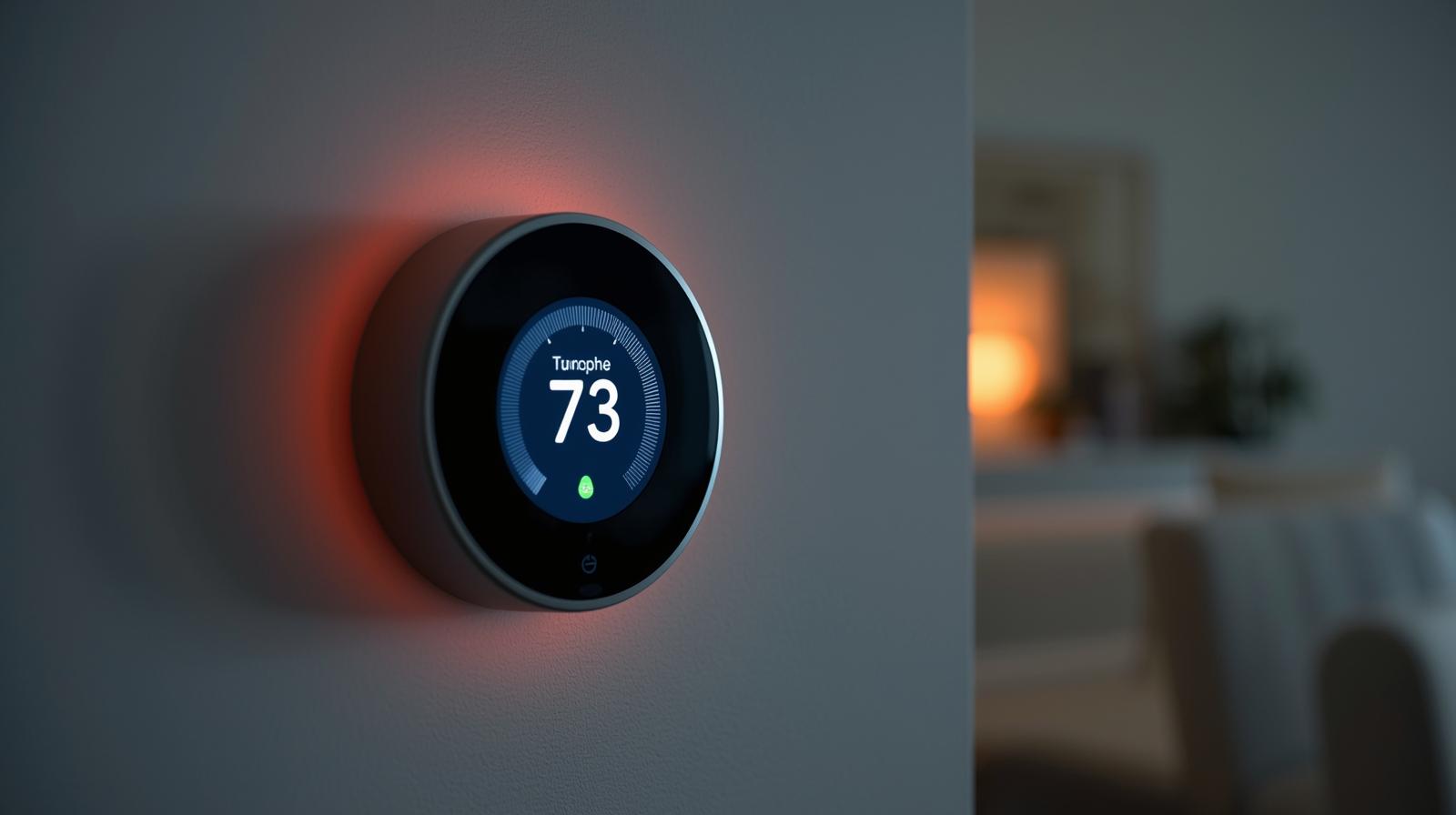
More than just a thermostat, it includes a built-in air quality monitor and a smoke alarm detector. It integrates perfectly with Matter ecosystems and helps significantly reduce energy bills through AI-driven scheduling.
Check Price on Amazon →What most people miss is that Thread creates a self-healing network. If one light bulb goes offline, the rest of the house stays smart. It is faster than Bluetooth and more reliable than Wi-Fi. When you buy a starter kit today, you are really buying into a ecosystem of Thread Border Routers. These are the brains that connect your smart gadgets to the internet and each other.
The Death of the Proprietary Hub
We are finally seeing the end of the "one hub per brand" rule. While some brands like Philips Hue still use a bridge for advanced features, most modern kits use a multi-functional hub. Your 2026 smart TV or even your fridge might already be a Thread Border Router. However, for a dedicated starter kit, a standalone hub is still the most reliable way to go.
Choosing Your Ecosystem: The Big Three
You have to pick a "brain" for your home. This is the app you will use most often and the voice assistant you will talk to. Here is how the big players stack up in 2026.
- Amazon Alexa: Still the king of convenience. The AI is much smarter now, capable of complex conversations rather than just simple commands. It is great for families who want things to "just work."
- Apple Home: The choice for privacy. Everything stays local on your network. If you use an iPhone and Mac, the integration is seamless. It is more restrictive but very secure.
- Google Home: Best for those who live in the Google ecosystem. Its predictive AI is excellent at guessing what you want before you ask, like turning on the porch light when it knows you are arriving home late.
Top Smart Home Starter Kits for 2026
I have tested dozens of configurations. These four kits represent the best balance of price, reliability, and future-proofing available right now.
| Kit Name | Best For | Primary Protocol | Ease of Setup |
|---|---|---|---|
| Aqara M3 Ecosystem | Automation Power Users | Matter / Thread / Zigbee | High |
| Philips Hue Starter Set | Atmosphere & Lighting | Zigbee / Matter | Very High |
| Amazon Echo Hub Bundle | Visual Control | Matter / Sidewalk | High |
| Google Nest Home Starter | Predictive Intelligence | Matter / Wi-Fi | Medium |
1. The Aqara M3 Smart Home Kit
Aqara used to be the underdog, but in 2026, they are leading the pack. The M3 Hub is a masterpiece of engineering. It acts as a Matter controller and a Thread Border Router. What makes this kit special is its focus on local execution. This means your automations work even if your internet goes down.
The starter kit usually includes the M3 hub, a couple of door and window sensors, and a wireless mini-switch. It is perfect for someone who wants to move beyond just turning lights on and off. You can set up complex rules, like having the AC turn off if a window is left open for more than five minutes. The only downside? The app can feel a bit crowded with options for a total beginner.
2. Philips Hue White and Color Ambiance Starter Kit
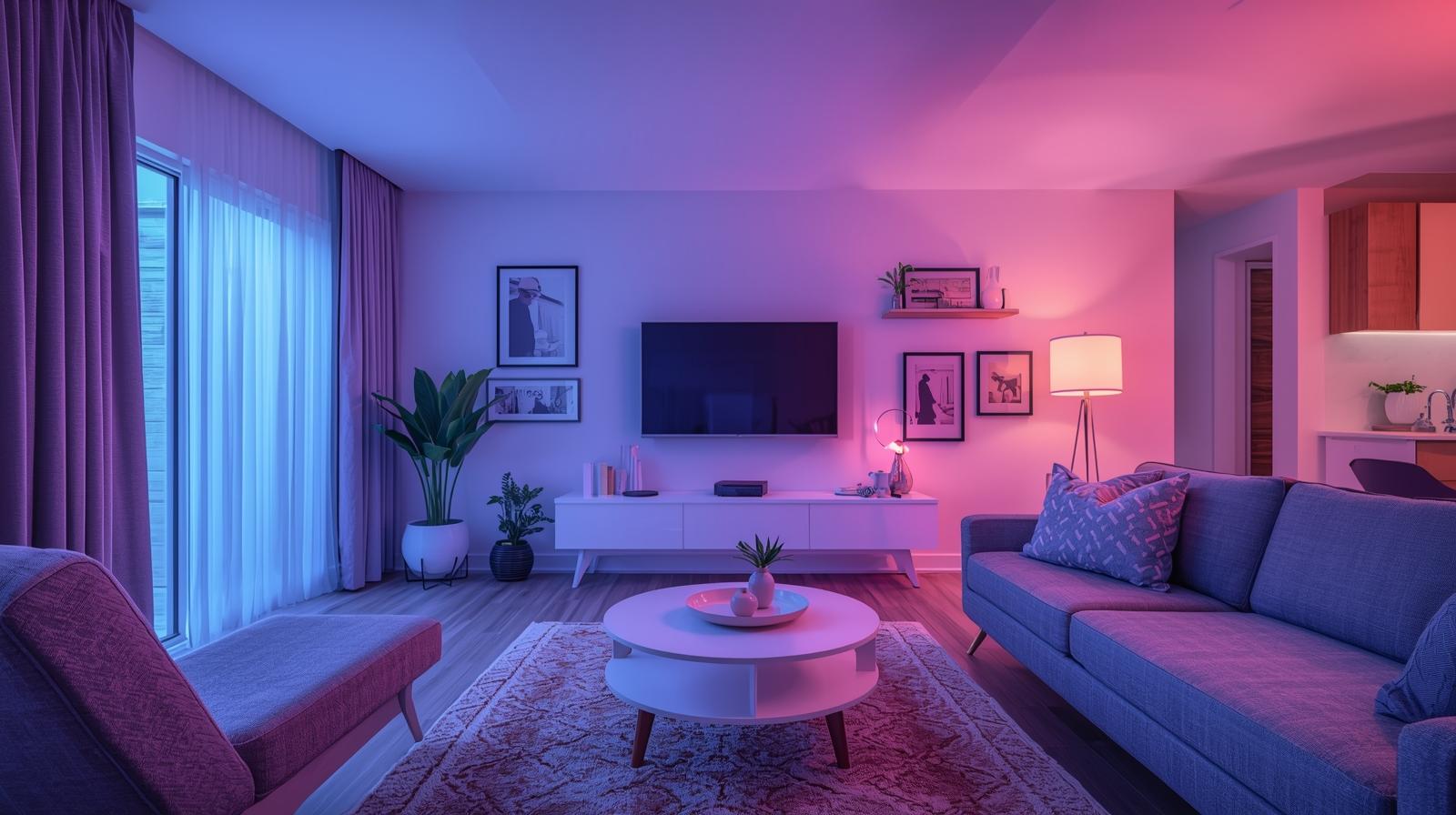
Lighting is the gateway drug to the smart home. Philips Hue is still the gold standard, even if it is the most expensive option. Why? Because the light quality is unmatched. In 2026, their Matter integration is flawless. You get the Hue Bridge, three bulbs, and a smart switch.
The secret sauce here is the reliability. I have had Hue bulbs running for seven years without a single flicker. They also offer "Adaptive Lighting," which changes the color temperature of your home throughout the day to match your circadian rhythm. It sounds like marketing fluff until you experience it. The downside is the price tag; you will pay a premium for that stability.
3. Amazon Echo Hub Smart Home Bundle
Amazon shifted focus from just speakers to screens. The Echo Hub is an 8-inch display designed specifically to be mounted on your wall. It doesn't just play music; it shows you a map of your entire house. The bundle usually comes with a few Matter-certified smart plugs and a Ring doorbell.
This is the best kit for people who want a central command center. You can see your camera feeds, adjust the thermostat, and check your grocery list in one place. Amazon's "Sidewalk" network also helps keep outdoor devices connected. The trade-off is privacy; Amazon is more aggressive with data than Apple or Aqara.
The "Must-Have" Components of a Starter Kit
If you are building your own kit, don't just buy random gadgets. Focus on these three categories first. They provide the most immediate value to your daily life.
Smart Lighting
Don't just buy bulbs. Consider smart switches too. If you put a smart bulb in a lamp and someone flips the physical wall switch off, the bulb is dead. Smart switches keep the "smart" alive even when the light is off. In 2026, look for switches that support "Detached Mode," which separates the physical relay from the smart command.
Sensors: The Unsung Heroes
A smart home shouldn't require you to talk to it all the time. It should just react. Motion sensors in the hallway and contact sensors on the doors are the real workhorses. They allow for "invisible" automation. For example, the bathroom light turns on at 10 percent brightness if motion is detected between midnight and 6 AM. That is true smart living.
Smart Plugs
These are the cheapest way to make "dumb" appliances smart. Use them for coffee makers, fans, or holiday lights. In 2026, most high-end smart plugs also include energy monitoring. This lets you see exactly how much electricity your old space heater is sucking up in real-time.
Common Pitfalls to Avoid
I have seen people waste thousands of dollars on the wrong tech. Here is how to avoid being one of them. First, stop buying Wi-Fi-based cheap bulbs from random brands. They clutter your router and often have terrible security. Stick to Thread or Zigbee where possible.
Second, don't over-automate. Just because you can make the lights flash red when you get an email doesn't mean you should. It gets annoying fast. Start with small, helpful changes. Third, always check for a physical backup. If your smart lock runs out of battery or the hub dies, do you have a physical key? Always have a Plan B.
The Future-Proofing Checklist
When you are looking at a box in the store (or a listing online), check for these three things to ensure your kit lasts until 2030:
- Matter Logo: The white triangle-ish logo. This ensures it works with everything.
- Thread Support: Specifically look for "Thread Border Router" capability in the hub.
- Local Control: Does the box say it works without the cloud? This is vital for speed and privacy.
Building a smart home in 2026 is finally fun rather than frustrating. By starting with a solid Matter-based kit, you are setting yourself up for a home that actually makes your life easier, not more complicated. Pick an ecosystem that fits your phone, start with lighting and sensors, and grow from there. You will be surprised how quickly you stop thinking about the tech and just start enjoying the convenience.
Frequently Asked Questions
Do I need a hub for a smart home in 2026?
Yes and no. While many devices use Matter over Wi-Fi, a dedicated Thread Border Router (hub) is essential for a stable, low-latency mesh network that works even when your internet is down.
Will my old smart devices work with a 2026 starter kit?
Most devices from 2023 onwards that received Matter firmware updates will work perfectly. Older Zigbee devices may require their original bridge to connect to a newer Matter controller.
Is Matter really better than Zigbee or Z-Wave?
Matter is better for compatibility, but it often runs on top of Thread, which is the actual wireless protocol. Thread offers the same low-power benefits as Zigbee but with better speed and native IP addressing.