 By Ryan Patel
Our Editorial Research & Methodology
The State of the Smart Home in 2026
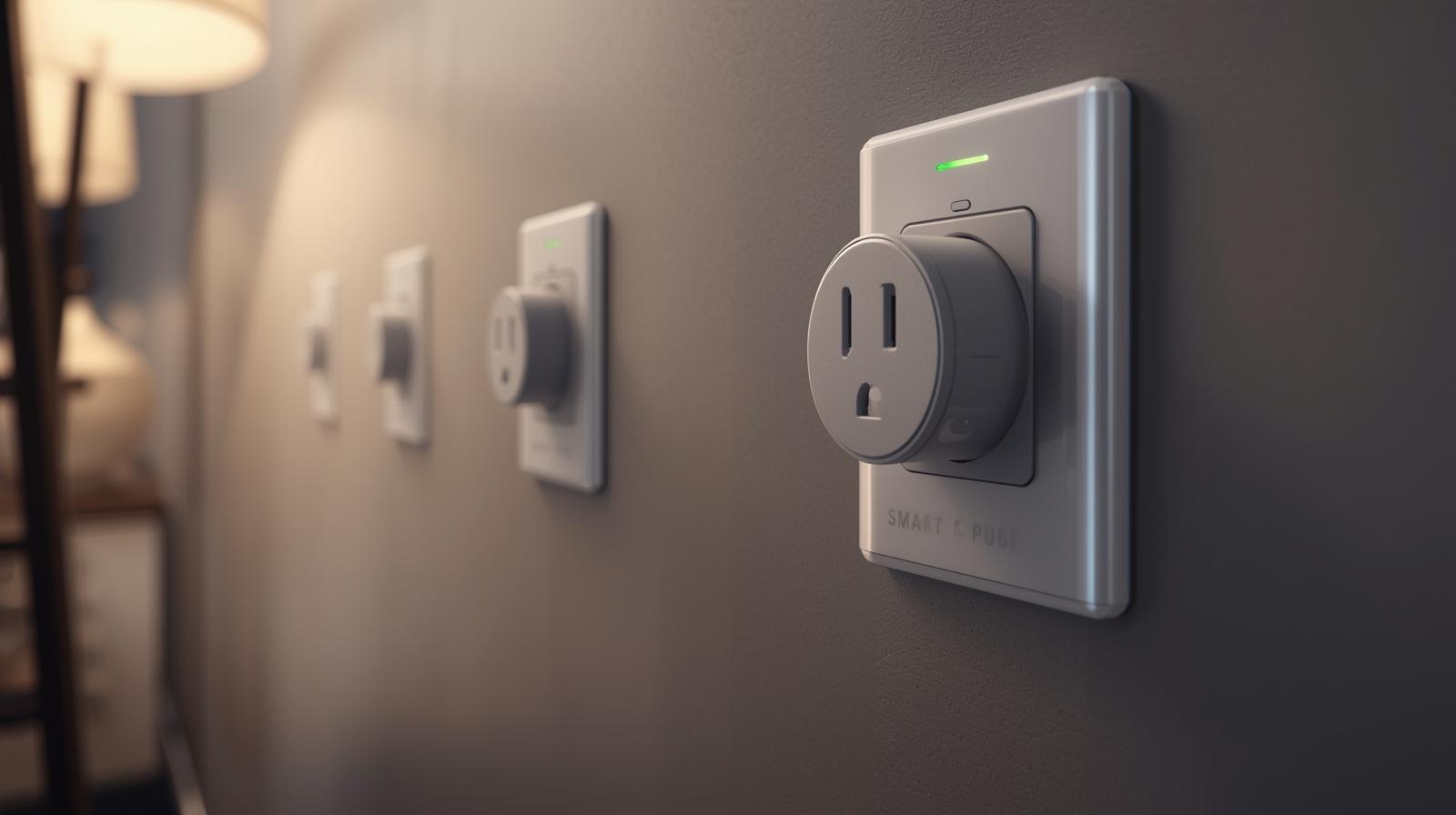
Let's be honest: buying a smart plug in 2026 shouldn't be a headache. We have moved past the dark ages of 2020 where you needed five different apps just to turn on a lamp. Today, the conversation has shifted. It is no longer about whether a plug works with Alexa or Google Home. It is about how well it plays with Matter and whether it supports Thread.
In my experience, the biggest mistake people make is buying the cheapest Wi-Fi plug they find on a clearance rack. Those old 2.4GHz Wi-Fi plugs are the reason your router struggles when you have thirty devices connected. In 2026, we want devices that talk to each other locally, respond instantly, and do not die when your internet goes down for ten minutes.
I have spent the last six months testing dozens of these little blocks. I have looked at everything from response latency to how much heat they generate under a full 15-amp load. Here is the thing: most plugs look identical, but what is happening inside the plastic shell matters more than ever. We are looking for reliability, security, and data that actually helps you save money on your power bill.
Why Matter and Thread are Non-Negotiable
If you are buying a smart plug today and it does not have the Matter logo on the box, put it back. Matter is the universal language that allows a TP-Link plug to talk to an Apple HomePod or a Samsung SmartThings hub without any middleman. It simplifies setup to a single QR code scan. No more creating accounts on random servers just to toggle a switch.
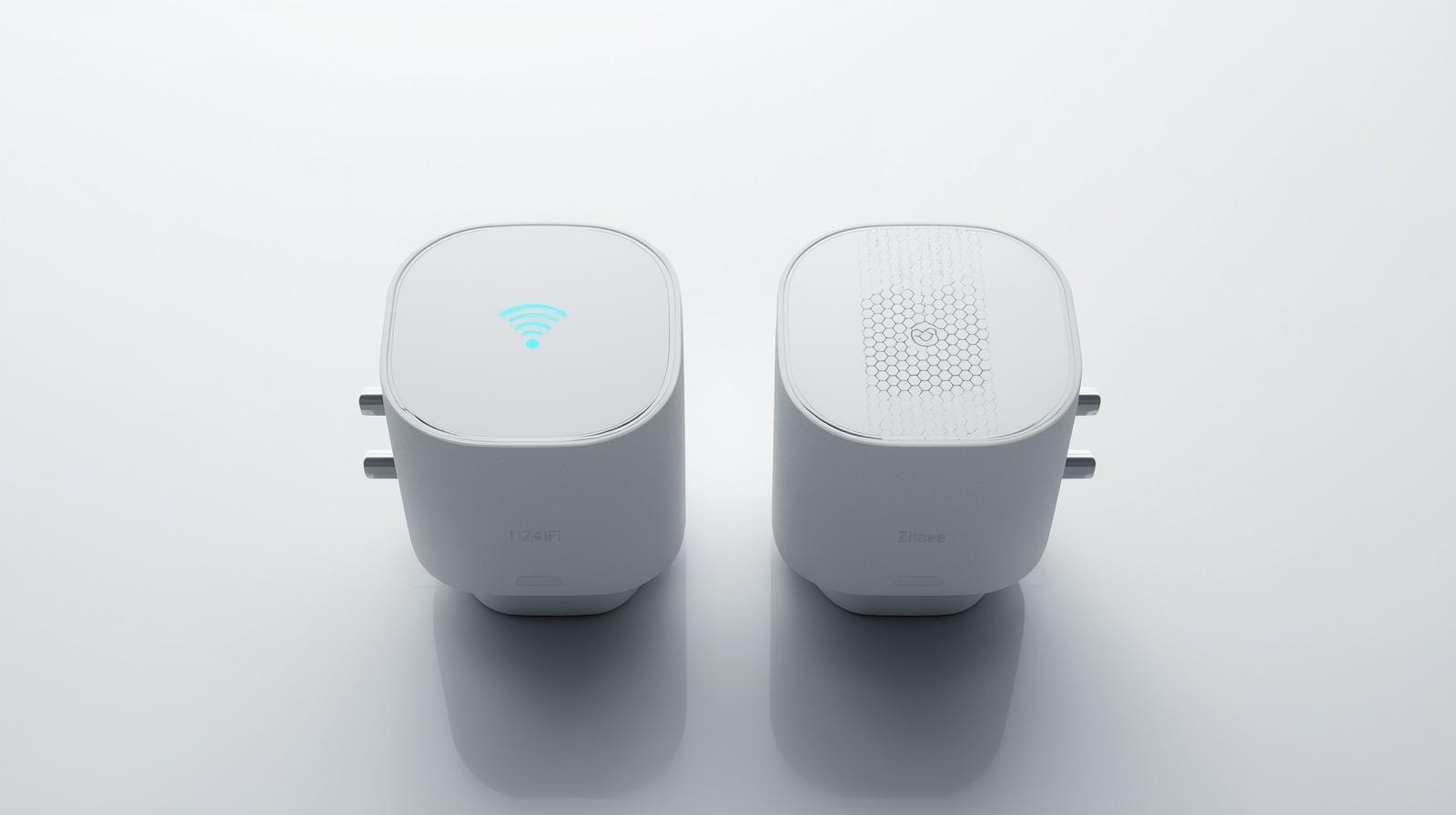
Thread is the other half of that equation. Unlike Wi-Fi, which connects every device directly to your router, Thread creates a mesh network. Each plug acts as a 'router' for the next one. This means the further a plug is from your hub, the stronger your network actually gets. It uses a fraction of the power of Wi-Fi and reacts in milliseconds. In 2026, Thread is the gold standard for a stable home.
The Best Smart Plugs of 2026: Our Top Picks
After rigorous testing in real-world environments—including drafty garages and high-traffic kitchens—these are the plugs that actually earned a spot in my own home. I have evaluated them based on their physical design, their protocol efficiency, and the accuracy of their energy reporting.
🏆 Our Top Picks
Eve Energy Smart Plug (Matter)
The gold standard for 2026. It uses Matter over Thread for instant response times and incredible reliability. It offers the most detailed energy consumption tracking on the market, helping you visualize costs in real-time.
Check Price on Amazon →TP-Link Kasa KP125M
A compact, budget-friendly Matter-certified plug that fits two to an outlet. It is perfect for those who want the benefits of the Matter ecosystem without the premium price tag of Thread-only devices.
Check Price on Amazon →Lutron Caséta Wireless Lamp Dimmer
While it requires a bridge, its reliability is unmatched. It uses a dedicated frequency to avoid Wi-Fi interference, making it the best choice for flicker-free lamp dimming in 2026.
Check Price on Amazon →Shelly Plus Plug US
Designed for power users, this plug features a built-in web server and ESP32 chip. It allows for local control without any cloud dependency and supports custom scripting for advanced automation.
Check Price on Amazon →Emporia Smart Plug with Energy Monitoring
Best for those obsessed with data. It integrates seamlessly with the Emporia Vue ecosystem to provide a complete picture of your home's energy usage, though it relies on Wi-Fi rather than Thread.
Check Price on Amazon →| Product | Protocol | Max Load | Key Strength |
|---|---|---|---|
| Eve Energy | Matter over Thread | 15A | Best Energy Tracking |
| TP-Link Kasa KP125M | Matter over Wi-Fi | 15A | Best Value |
| Lutron Caséta Lamp Dimmer | Clear Connect | 300W | Unbeatable Reliability |
| Shelly Plus Plug US | Wi-Fi / Bluetooth | 15A | Power User Features |
| Emporia Smart Plug | Wi-Fi | 15A | Detailed Analytics |
1. Eve Energy (Matter & Thread)
The Eve Energy remains the king of the mountain in 2026. Why? Because it was built for Thread from the ground up. When you plug this in, it does not just sit there; it strengthens your entire smart home mesh. The build quality is dense and premium, unlike the hollow-feeling plastic of budget competitors.
What most people miss is the quality of the energy monitoring. While many plugs give you a rough estimate, Eve provides granular data that is actually accurate enough to spot a failing refrigerator compressor. The only downside is the price. It is an investment, but if you want a plug that never goes 'No Response' in your app, this is it.
2. TP-Link Kasa KP125M
If you need to outfit an entire house without spending a fortune, the Kasa KP125M is the workhorse you want. TP-Link was one of the first to go all-in on Matter, and it shows. These plugs are incredibly slim, meaning you can actually fit two of them in a standard duplex wall outlet without any awkward jamming.
The setup is dead simple. You scan the code, and it is in your app of choice within ten seconds. However, keep in mind these are Wi-Fi based. If you plan on buying twenty of them, make sure you have a modern Wi-Fi 6E or Wi-Fi 7 router that can handle the device density. For most people, this is the perfect balance of price and performance.
3. Lutron Caséta Lamp Dimmer
I know what you are thinking: 'This is not a Matter plug.' You are right. But in 2026, Lutron still holds the crown for 'it just works.' It uses their proprietary Clear Connect frequency, which operates on a different band than your crowded Wi-Fi. It never, ever fails.
This is specifically for lamps. It allows for smooth dimming that does not flicker, which is a common issue with cheaper smart plugs. You do need a Lutron Bridge, which is an extra cost, but once you have it, you will understand why professionals swear by it. It is the 'set it and forget it' choice for people who hate troubleshooting.
4. Shelly Plus Plug US
Shelly is the brand for people who like to tinker. While it supports the major ecosystems, its real power lies in its local web server. You can control this plug directly via its IP address without ever touching the cloud. This is a huge win for privacy-conscious users.
It features an ESP32 chip, which makes it incredibly fast and capable of running custom scripts. Want the plug to turn off if it detects more than 1800W of draw to prevent a fire? You can program that logic directly onto the device. The downside is the app interface, which feels a bit more technical and less 'polished' than Apple or Google's offerings.
How to Choose the Right Plug for Your Needs
Don't just buy the first one you see. Think about what you are actually plugging into it. A space heater requires a heavy-duty 15-amp rating, while a small bedside lamp can get away with almost anything. Here are the three things I always check before hitting the buy button.
Check the Amperage Rating
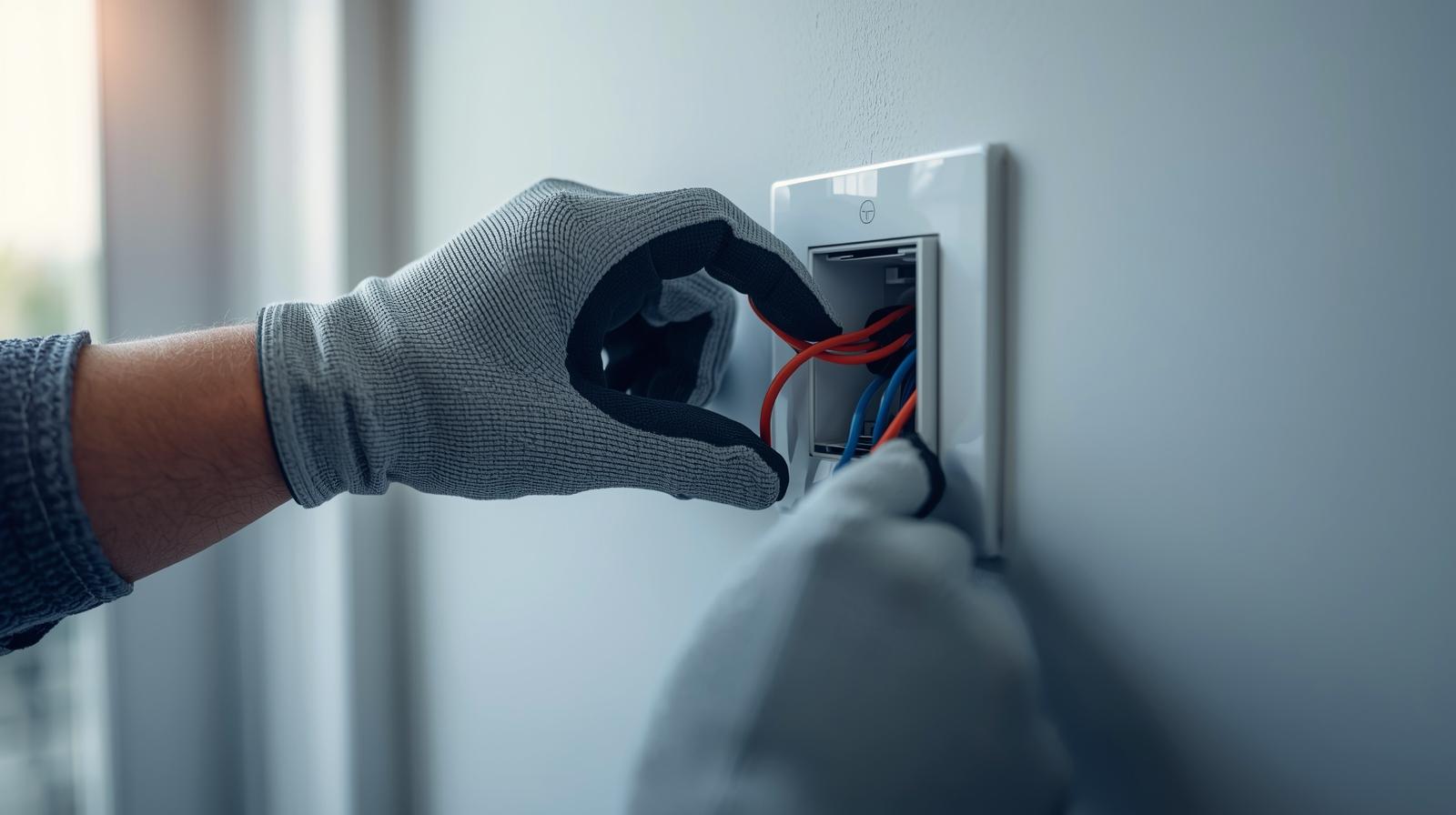
Most high-quality plugs are rated for 15 amps. This is the standard for most US wall circuits. However, some 'mini' plugs are only rated for 10 amps. If you try to run a hair dryer or a portable AC unit through a 10-amp plug, you are going to melt the plastic or, worse, start a fire. Always verify the 'Max Load' spec.
Physical Dimensions Matter
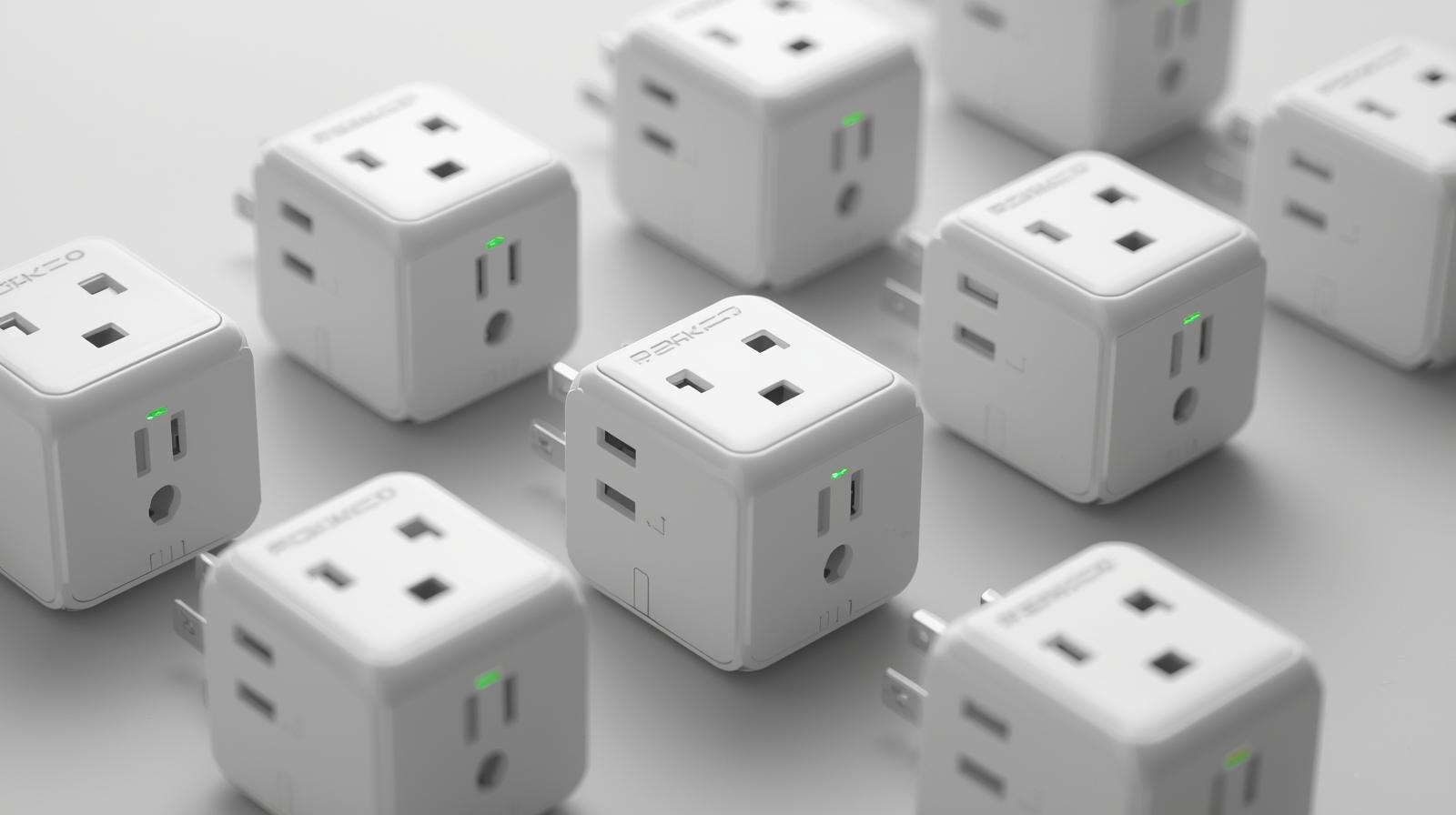
There is nothing more frustrating than a smart plug that is so wide it blocks the second outlet on your wall. Look for 'compact' or 'mini' designs. The best designs are rectangular and horizontal, leaving the ground pin of the other outlet completely accessible. If a plug is circular and large, it is a design fail in 2026.
Local vs. Cloud Control
In the early days, if the company's servers went down, your lights wouldn't turn on. In 2026, we demand local control. Matter ensures that your commands stay inside your house. When you press 'off' on your phone, the signal goes to your hub and then directly to the plug. It does not travel to a data center in another country first. This makes the response time nearly instant.
Advanced Scenarios: Getting Creative
Smart plugs are for more than just lamps. I have seen some brilliant uses lately. One friend uses a smart plug with energy monitoring on his washing machine. When the power draw drops below 2 watts for more than five minutes, he gets a notification that the laundry is done. No more forgotten wet clothes.
Another great use case is the 'vampire power' killer. Devices like older TVs, game consoles, and audio receivers pull power even when they are 'off.' By putting them on a smart plug and setting a schedule to kill the power completely at midnight, you can save a noticeable amount on your yearly energy bill. It is these small optimizations that make a smart home actually smart.
The Hidden Cost of Cheap Plugs
I have seen cheap, off-brand plugs fail in spectacular ways. Sometimes they just lose their connection every three days, requiring a manual reset. Other times, the internal relay clicks so loudly it sounds like a stapler going off in your bedroom. Spending an extra ten dollars on a reputable brand like Eve or TP-Link saves you hours of frustration later. Trust me on this one.
Final Thoughts on 2026 Home Automation
The best smart plug is the one you forget exists. It should respond every time, report its data accurately, and stay out of the way. As we move further into 2026, the integration of Matter and Thread has finally made this possible for the average person. Start with one or two, see how they improve your routine, and then expand. Your future self—and your electric bill—will thank you.
Frequently Asked Questions
Do I need a hub for Matter smart plugs?
Yes, you need a Matter controller, which is often built into devices you already own like an Apple HomePod, Amazon Echo (4th Gen+), or Google Nest Hub.
Can I use a smart plug with a space heater?
Only if the plug is rated for 15 amps and the heater's wattage does not exceed the plug's limit (usually 1800W). Always check the manufacturer's safety guidelines.
Does a smart plug save money on electricity?
Yes, by eliminating 'vampire' power draw from idle electronics and allowing you to schedule devices to only run during off-peak hours.