 By Ryan Patel
Our Editorial Research & Methodology
The Real Reason Your Electric Bill Is Creeping Up
You probably think your big appliances are the only culprits. You see the dryer spinning or the AC humming and think, 'There goes five bucks.' But here is the thing: the real budget killer is the slow, silent drain from devices you aren't even using. In the industry, we call this vampire power or phantom load. It is the energy your TV, game console, and coffee maker sip while they are technically turned off.
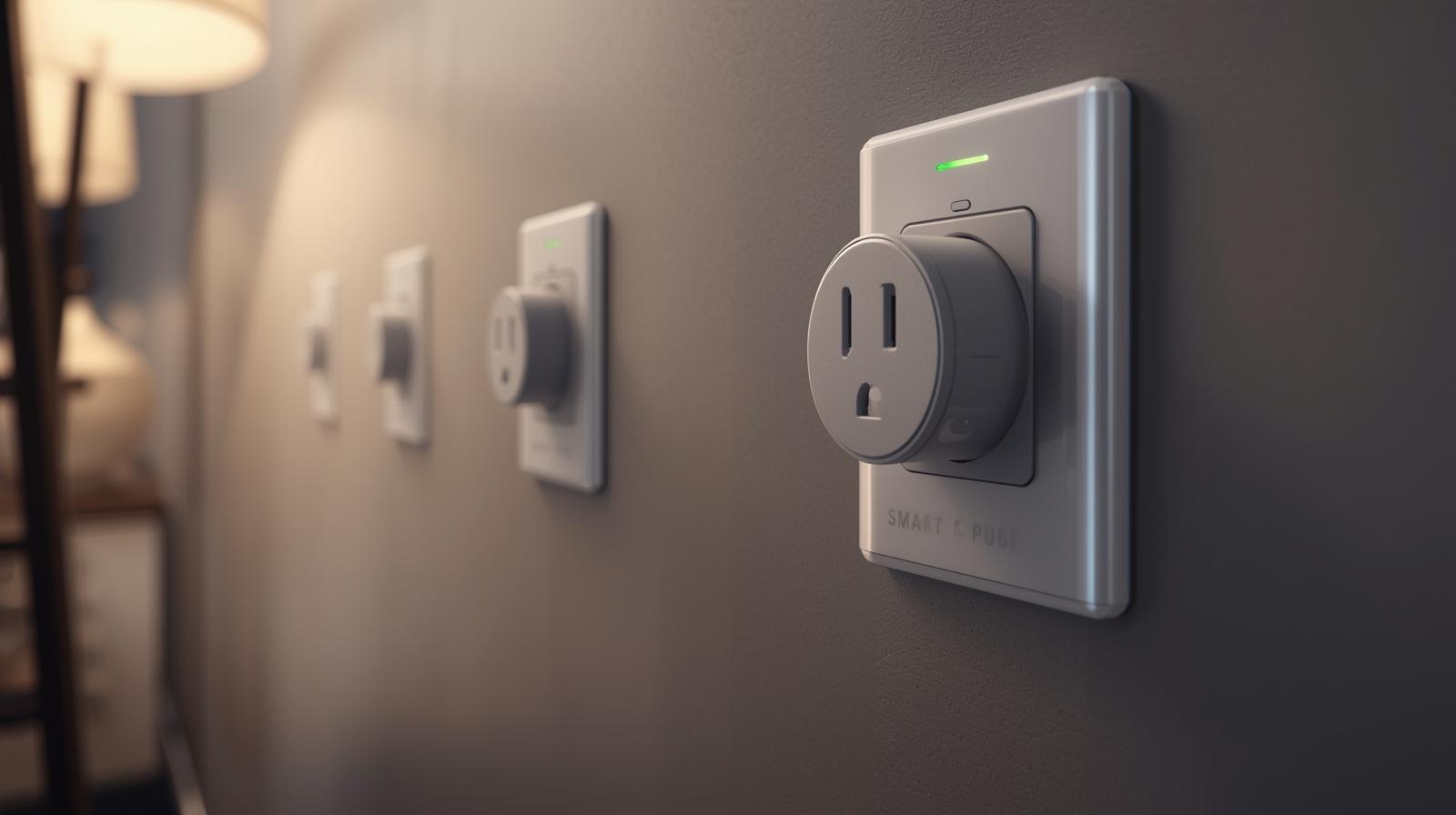
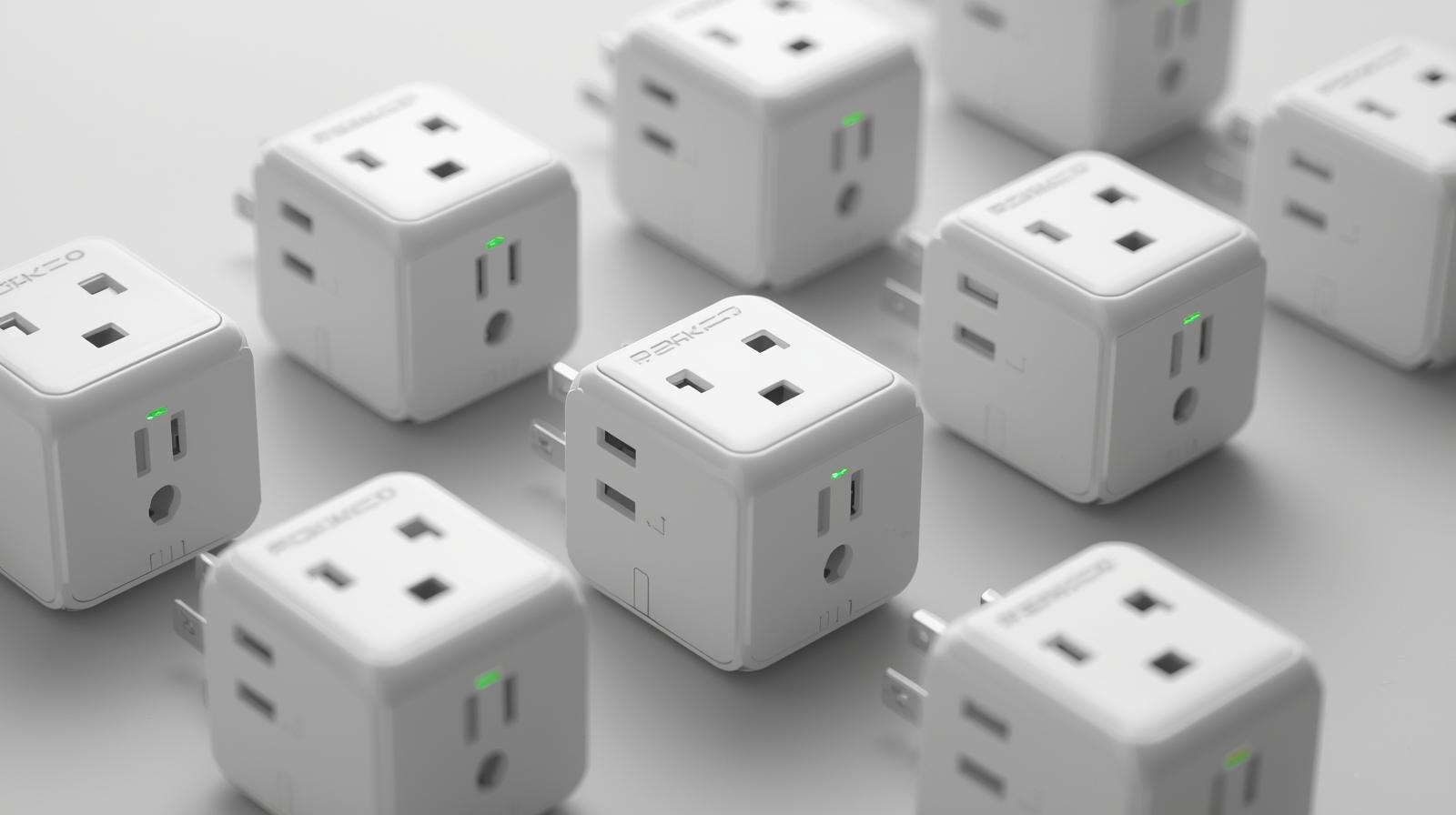
By February 2026, the average household has more connected devices than ever before. While these gadgets make life easier, they also create a constant baseline of energy waste. This is where energy-saving smart plugs come in. They don't just turn things on and off; they act as a physical gatekeeper for your electricity. If a device doesn't need power, the smart plug cuts it off entirely at the source. It is like having a tiny, diligent accountant standing at every outlet in your house.
The True Cost of Standby Power
Most people underestimate how much standby power costs. A single game console in 'instant-on' mode might only draw 15 watts, but over a year, that adds up to a significant chunk of change. Multiply that by ten or fifteen devices, and you are looking at hundreds of dollars wasted on nothing. Smart plugs solve this by allowing you to set hard schedules. Your entertainment center doesn't need to be ready to go at 3:00 AM while you are asleep. A smart plug ensures it is truly dead to the world until you actually need it.
How Smart Plugs Actually Save You Money
It is not just about the 'off' switch. The real magic happens when you use the data these plugs provide. In 2026, the best smart plugs offer high-resolution energy monitoring. They show you exactly how many kilowatt-hours (kWh) each device consumes in real-time. This transparency changes your behavior. When you see that your old secondary fridge in the garage is costing you twenty dollars a month, you are much more likely to replace it or turn it off.
🏆 Our Top Picks
TP-Link Kasa KP125M Matter Smart Plug
This is the gold standard for reliability and ease of use. It supports the Matter protocol, meaning it works natively with Apple Home, Google Home, and Alexa without a hitch. It features precise energy monitoring and a slim design that doesn't block the second outlet. Best for those who want a 'set it and forget it' experience.
Check Price on Amazon →Eve Energy Smart Plug (Matter)
If you care about data, this is the one. It uses Thread for a rock-solid mesh connection and provides the most detailed energy consumption graphs in the industry. It is built with premium materials and offers local processing for maximum privacy. Best for tech enthusiasts who want deep insights into their power usage.
Check Price on Amazon →Emporia Smart Plug with Energy Monitoring
Emporia is known for its whole-home energy monitors, and their smart plugs are just as impressive. They are rated for 15A and handle larger appliances better than most. The app allows you to set goals and alerts based on your utility's specific rates. Best for users focused strictly on ROI and budget management.
Check Price on Amazon →Shelly Plus 1PM
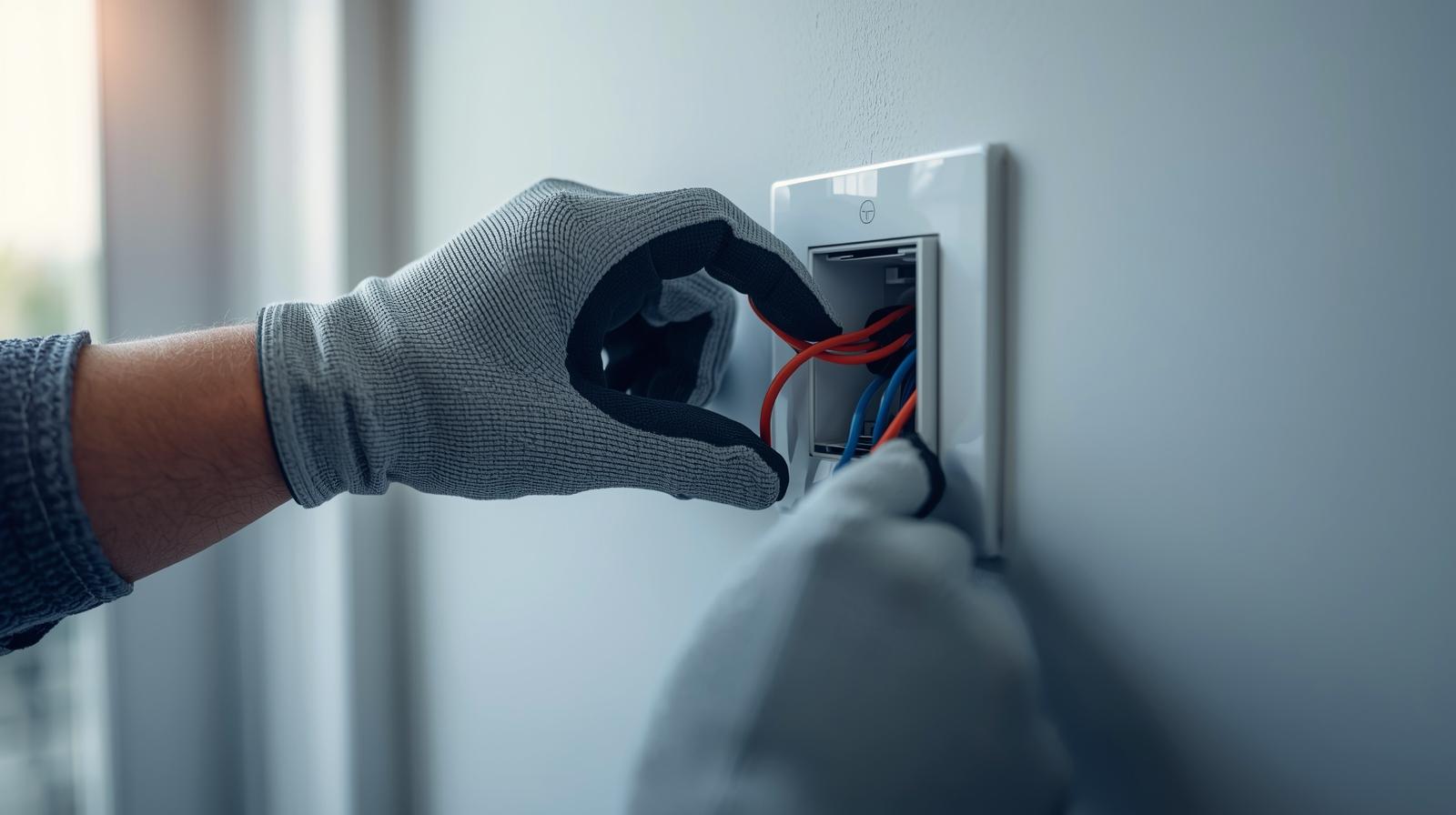
This isn't a traditional plug-in module but a small relay that fits behind your existing wall outlet. It is perfect for a clean, invisible look while still providing power measurement and automation. It supports scripting for advanced users. Best for homeowners who want a permanent, professional-grade smart home upgrade.
Check Price on Amazon →Real-Time Telemetry and Insights
Modern apps now use AI to analyze your usage patterns. They can tell you if your dishwasher is becoming less efficient, which might signal that a filter needs cleaning or a motor is failing. This predictive maintenance saves you from expensive repairs down the line. Here is a breakdown of what you can expect to save by managing common household items with smart plugs:
| Device Type | Typical Standby Draw (Watts) | Potential Annual Savings |
|---|---|---|
| Gaming Console | 12-20W | $25 - $40 |
| Desktop Computer | 5-10W | $15 - $25 |
| Coffee Maker | 2-5W | $5 - $12 |
| Laser Printer | 5-15W | $15 - $35 |
| Audio System | 10-25W | $30 - $55 |
While these numbers might look small individually, the cumulative effect is massive. For a standard three-bedroom home, aggressive smart plug management can easily shave 10 to 15 percent off the total monthly bill. In my experience, the plugs usually pay for themselves within the first six to eight months of use.
Choosing the Right Protocol: Matter and Thread in 2026
If you went shopping for smart plugs a few years ago, it was a mess of proprietary hubs and incompatible apps. Thankfully, the landscape has changed. The Matter standard is now the baseline for any serious energy-saving setup. Matter allows devices from different brands to talk to each other locally without needing to go through the cloud. This means your smart plug responds faster and keeps working even if your internet goes down.
Why Thread Matters
Underneath Matter, many of the best plugs now use Thread. Unlike Wi-Fi, which can get crowded and slow when you add fifty devices, Thread is a mesh network. Each plug acts as a router, strengthening the signal for every other device in your home. This is crucial for energy saving because it ensures your 'off' commands actually reach the device every single time. There is nothing more frustrating than a smart plug that stays on all night because it lost its Wi-Fi connection.
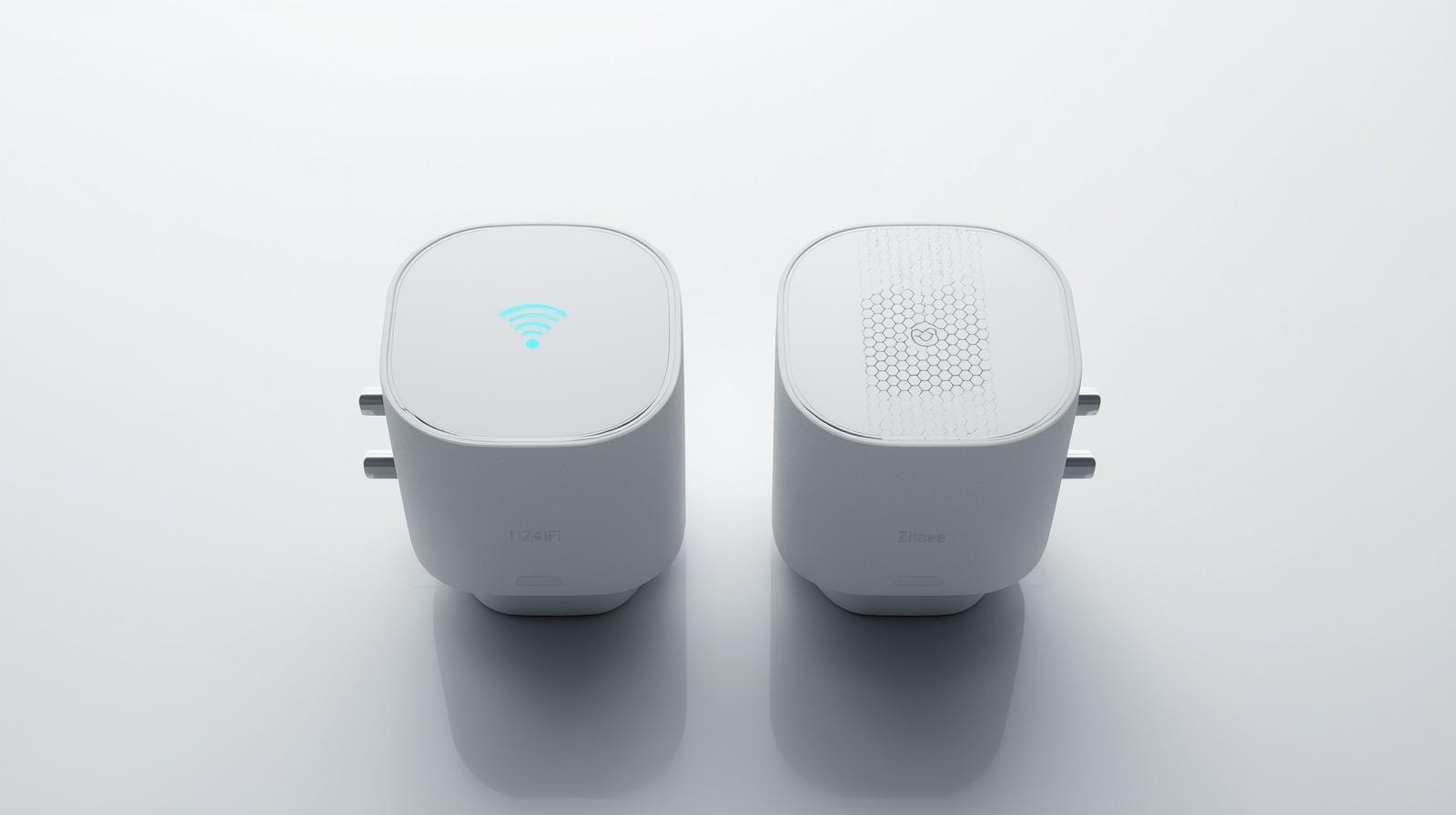
Wi-Fi vs. Bluetooth vs. Thread
- Wi-Fi: Easy to set up but power-hungry and can clutter your router. Best for people with only a few smart devices.
- Bluetooth: Limited range and often requires you to be in the room. Generally avoided for whole-home energy management.
- Thread: The gold standard. Low power, self-healing, and incredibly fast. This is what you should look for in 2026.
Advanced Features You Should Look For
Don't just buy the cheapest plug you find on a clearance rack. To truly maximize savings and safety, you need a specific set of features. First and foremost is 'Load Shedding' capability. Some advanced plugs can communicate with your utility provider (with your permission) to automatically turn off non-essential devices during peak pricing hours. This is a game-changer if you live in an area with time-of-use electricity rates.
High-Wattage Safety Ratings
I have seen too many people try to plug a heavy-duty space heater into a cheap, flimsy smart plug. That is a fire hazard. Always check the amperage rating. Most standard plugs are rated for 15 amps, which is fine for lamps and TVs. But if you are planning to control a portable AC unit or a large heater, you need a plug specifically designed for high-load appliances. Look for UL or ETL certification to ensure the internals can handle the heat.
Granular Scheduling and Geofencing
Basic timers are fine, but geofencing is better. This feature uses your phone's location to turn off devices when you leave the house. If you forget to turn off the iron or the hair straightener, the smart plug sees that you are two miles away and cuts the power. It provides peace of mind that a standard timer simply can't match. Plus, you can set 'Sun-Sync' schedules that adjust based on local sunrise and sunset times, which is perfect for outdoor lighting.
Setting Up Your Energy-Saving Ecosystem
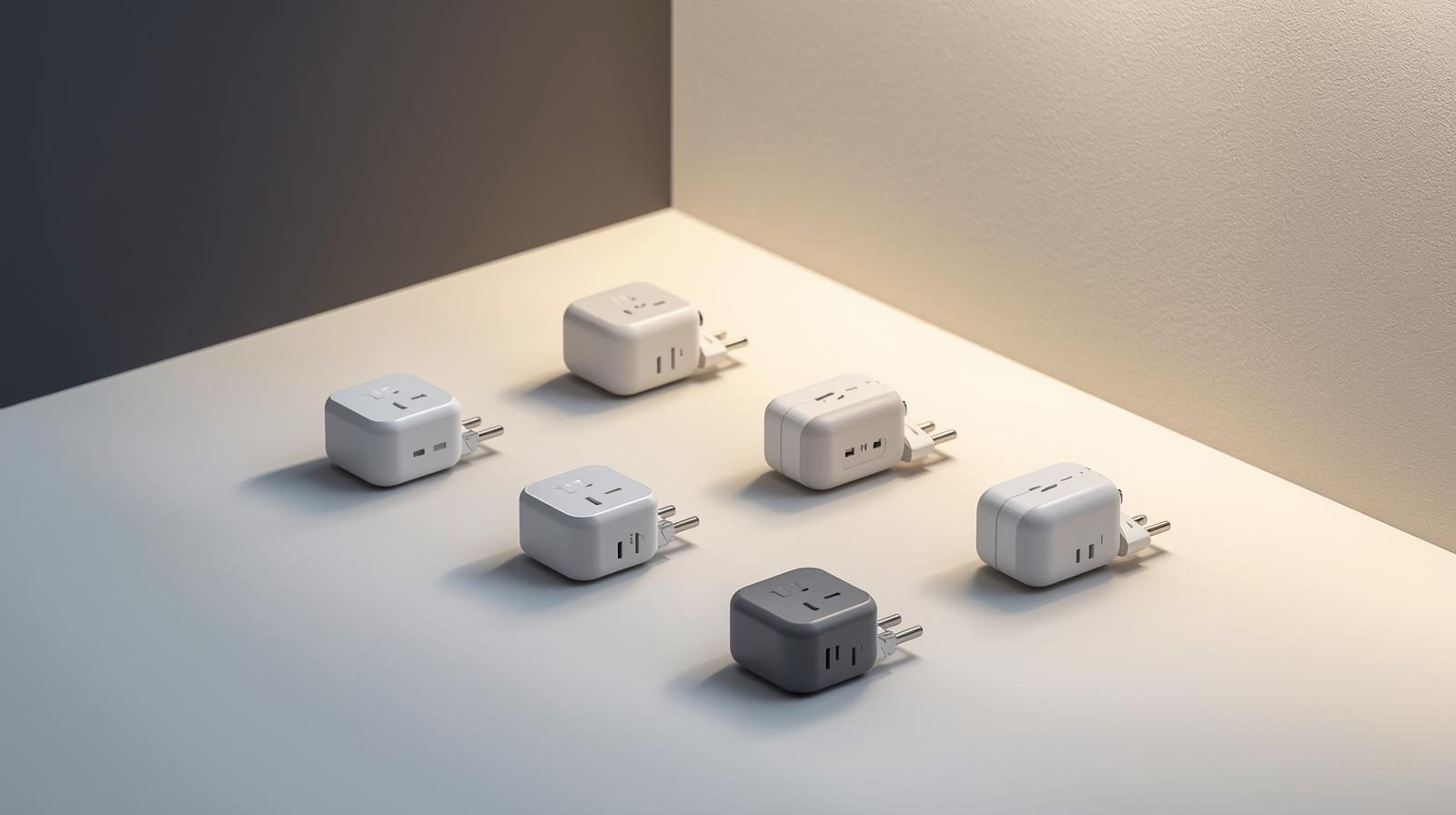
Getting started doesn't require a degree in computer science. Start small. Pick one room—usually the living room or the home office—and identify the biggest energy hogs. Plug them into your smart plugs and spend the first week just observing the data. You will be surprised at what you find. Maybe your 'off' TV is actually drawing more power than you thought because of a 'quick start' setting you forgot about.
The 'All Off' Routine
The most effective way to save is to create an 'All Off' routine. You can trigger this with a voice command like 'Goodnight' or have it happen automatically at midnight. This routine kills power to everything that doesn't need to be on: the microwave display, the toaster oven, the printer, and the guest room TV. In my home, this single routine saved me nearly twelve dollars in the first month alone.
Integrating with Solar and Storage
If you have solar panels or a home battery system, smart plugs are your best friends. You can set them to only run power-hungry devices, like a dehumidifier, when your solar production is at its peak. This ensures you are using your own free energy rather than buying it from the grid. This kind of 'load shifting' is the future of home energy management, and smart plugs are the easiest way to implement it today.
Common Pitfalls and How to Avoid Them
Even with the best tech, things can go wrong. One major mistake is 'daisy-chaining' smart plugs into power strips. This can lead to overheating and is generally against fire codes. If you have a whole bank of electronics, buy a dedicated smart power strip where every outlet is individually controllable. It is cleaner, safer, and gives you better data for each specific device.
Connectivity and Range Issues
If a plug keeps going offline, don't just blame the plug. It might be blocked by furniture or too far from your hub. In 2026, most Matter-enabled plugs will tell you their signal strength in the app. If it is low, consider adding a Thread border router or a Wi-Fi extender nearby. A smart plug that isn't connected is just a dumb, expensive outlet.
Privacy Concerns
Where does your energy data go? Some cheap, off-brand plugs send your usage data to servers overseas. While it might seem harmless, that data tells a story about when you are home and what you are doing. Stick to reputable brands that offer local processing through Matter. This keeps your data inside your four walls, where it belongs.
The Future of Home Energy Management
As we move further into 2026, we are seeing smart plugs that don't just react, but anticipate. We are entering the era of 'Energy Orchestration.' This is where your home's various systems—HVAC, EV charging, and smart plugs—work together to minimize your carbon footprint and your bill without you ever lifting a finger. Smart plugs are the 'fingers and toes' of this system, providing the granular control needed to make it all work.
In my experience, the transition to a truly efficient home is a marathon, not a sprint. You don't need to replace every outlet today. Start with five plugs. Learn the patterns. See the savings. Once you see that first lower bill, you will wonder why you waited so long to take control of your power. It is one of the few tech upgrades that actually puts money back in your pocket every single month.
Frequently Asked Questions
Can I use a smart plug with a space heater?
Only if the plug is specifically rated for high-wattage appliances (usually 15A/1800W). Most standard smart plugs can overheat if used with heaters, so always check the amperage rating and look for UL safety certification.
Do smart plugs use electricity themselves?
Yes, but a very tiny amount. Most modern smart plugs use less than 1 watt of power to stay connected to your network, which is significantly less than the 'vampire power' they help you save.
Will my smart plug work if the Wi-Fi goes out?
If you use a Matter-over-Thread plug, it will still follow its internal schedules and can be controlled locally even without internet. Standard Wi-Fi plugs usually lose scheduling and remote control functionality until the connection is restored.