 By James Carter
Our Editorial Research & Methodology
The Reality of Smart Home Costs in 2026
If you are looking at your home in 2026 and thinking it is time to make it 'smart,' you are stepping into a world that looks very different from the gadget-obsessed era of five years ago. We have moved past the days of having fifteen different apps to turn on fifteen different light bulbs. Today, smart home automation is about the 'invisible home'—systems that work together without you ever touching a screen.
But here is the thing: while the technology has become more seamless thanks to the universal adoption of Matter 2.0 and Thread networking, the price tags have shifted. You are no longer just buying hardware; you are investing in an ecosystem. Whether you want a simple voice-controlled apartment or a fully autonomous estate, understanding where your money goes is the first step to avoiding a massive headache.
The Three Tiers of Smart Home Spending
In my experience, most people fall into one of three buckets. Trying to mix these tiers usually leads to frustration, so it is best to pick a lane early. Here is how the budget breaks down for a standard three-bedroom home in 2026.
🏆 Our Top Picks
Apple HomePod (2nd Gen)
The essential hub for any Matter-based home. It features high-fidelity audio, a built-in temperature and humidity sensor, and acts as a Thread Border Router to keep your device mesh stable. It is best for users who value privacy and local processing over cloud-based AI.
Check Price on Amazon →Philips Hue Bridge & White and Color Ambiance Bulbs
Still the gold standard for smart lighting in 2026. The Zigbee-based system is incredibly responsive and the color accuracy is unmatched. It is perfect for those who want 'set it and forget it' reliability, though it carries a higher price tag than generic Wi-Fi bulbs.
Check Price on Amazon →Ecobee Smart Thermostat Premium
A powerhouse for energy management that includes a built-in air quality monitor and a remote room sensor. It integrates deeply with utility 'demand response' programs to save money during peak hours. The only downside is its slightly bulky design compared to newer minimalist sensors.
Check Price on Amazon →Aqara Presence Sensor FP2
Unlike traditional motion sensors, this uses mmWave radar to detect even a seated person. It allows for 'true' automation where lights stay on as long as you are in the room. It is a game-changer for 2026 homes, though it requires a bit more setup time to map out your room zones.
Check Price on Amazon →Schlage Encode Plus Smart WiFi Deadbolt
One of the few locks that supports Apple Home Key and Matter, allowing you to tap your watch to enter. It is rugged, highly secure, and features a physical keypad for guests. The downside is that it is quite loud during the locking mechanism compared to sleeker European models.
Check Price on Amazon →The Starter DIY Tier ($500 - $1,500)
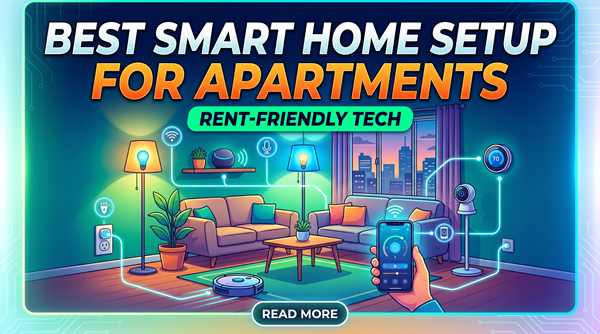
This is for the person who wants the basics: smart lights, a couple of speakers, and a video doorbell. By 2026, Matter-compatible devices have become the floor. You can walk into any big-box store, grab a hub, and know it will work. Most of your budget here goes toward a solid mesh Wi-Fi system and a few key 'hero' devices. You are doing all the setup yourself, which saves you thousands in labor but costs you a few weekends of troubleshooting.
The Enthusiast Hybrid Tier ($3,000 - $8,000)
This is the sweet spot for most homeowners. At this level, you are moving beyond 'gadgets' and into 'systems.' You are looking at smart switches instead of just bulbs, automated blinds for the main living areas, and a multi-zone climate control system. You might hire an electrician for the high-voltage work, but you are still managing the software side. This tier focuses heavily on energy efficiency, which is where you start to see a real return on your investment.
The Luxury Professional Tier ($20,000 - $70,000+)
If you want a home that knows you are approaching the driveway and adjusts the lighting, temperature, and music before you even step inside, this is your world. This involves professional installers like Control4 or Savant. You are paying for 'white glove' service, hidden wiring, and enterprise-grade networking. In 2026, this tier also includes integrated home battery storage and AI-driven energy management that sells power back to the grid when rates are high.
Breaking Down the Hardware Costs
Let's get into the weeds. What are you actually paying for? Prices have stabilized for basic sensors, but high-end AI-integrated hardware still carries a premium. Here is a breakdown of what to expect for individual components.
| Category | Entry-Level Cost | Premium/Pro Cost | Notes |
|---|---|---|---|
| Smart Hubs/Controllers | $60 - $200 | $1,000+ | Local AI processing is now standard in mid-range hubs. |
| Smart Lighting (per room) | $100 - $300 | $1,500+ | Switches are better than bulbs for long-term value. |
| Climate Control | $150 - $250 | $2,000+ | Includes smart vents and multi-zone sensors. |
| Security & Cameras | $300 - $800 | $5,000+ | Local storage is cheaper than cloud subs over 5 years. |
| Automated Blinds (per window) | $150 - $400 | $800 - $1,200 | Battery-powered is cheaper; wired is more reliable. |
The Hidden Costs: Subscriptions and Data
What most people miss when budgeting is the 'tail' of the investment. In 2026, hardware is often sold at a lower margin because companies want you on a subscription. Whether it is for 'Advanced AI Person Detection' on your cameras or 'Predictive Energy Optimization' for your HVAC, these monthly fees add up. A typical smart home might have $20 to $50 in monthly recurring costs. If you want to avoid this, you need to look for 'Local First' hardware that processes data on a hub inside your house rather than in the cloud.
Professional Installation vs. DIY in 2026
The labor market for smart home tech has matured. You aren't just hiring a 'tech guy' anymore; you are hiring specialized low-voltage electricians. In 2026, labor costs typically account for 30% to 50% of a professional project. Why pay it? Because a pro ensures your network can actually handle 100+ devices without crashing. If you have a home larger than 2,500 square feet, the DIY route often leads to 'dead zones' that make your smart home feel very dumb, very quickly.
Energy Savings: The ROI of Automation
Here is the good news: smart homes in 2026 are finally paying for themselves. With dynamic energy pricing becoming the norm, a smart home that automatically shifts heavy appliance use to off-peak hours can save you 15% to 25% on your monthly utility bill. In many regions, utility companies even offer rebates that cover the cost of smart thermostats and water leak sensors because they reduce the risk of massive insurance claims and grid strain.
Future-Proofing Your Investment
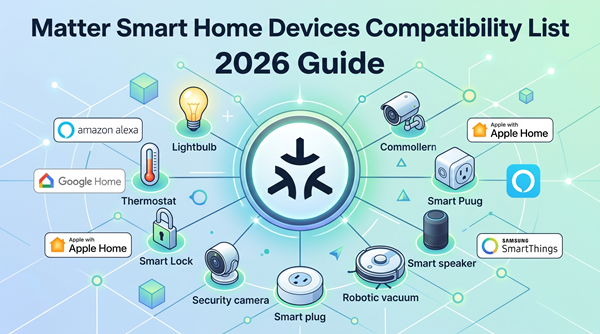
The biggest mistake I see is people buying 'closed' systems. If a device requires its own proprietary bridge and doesn't support Matter or Thread, do not buy it. In 2026, those devices are essentially e-waste. Stick to the standards. It might cost 10% more upfront, but it ensures that your $500 smart lock will still work when you upgrade your phone or switch from Alexa to Apple Home in three years.
The Bottom Line
Smart home automation in 2026 is no longer a luxury for tech nerds; it is a functional upgrade for any modern house. You can get started for the price of a new laptop, or you can spend as much as a luxury SUV to have a home that runs itself. The key is to start with a solid network, choose a tier that fits your lifestyle, and always prioritize local control over cloud-dependent gadgets. Your future self will thank you when the internet goes out and your lights still work.
Frequently Asked Questions
Is a smart home more expensive to maintain in 2026?
While hardware is more reliable, software updates and subscription services for AI features can add $20-$50 in monthly costs. However, energy savings often offset these fees.
Do I need to rewire my house for smart automation?
For most DIY and mid-range setups, no. Thread and Matter protocols allow for robust wireless communication. Only luxury, high-end systems typically require extensive new low-voltage wiring.
Can I mix different brands like Apple, Google, and Amazon?
Yes. Thanks to the Matter standard being fully mature in 2026, you can mix and match hardware from different brands and control them all from a single app of your choice.