 By Alex Morgan
Our Editorial Research & Methodology
The Shift to Smart Rentals
Let’s be real: the days of handing over a physical brass key and hoping the tenant doesn't crank the AC to 60 degrees with the windows open are over. In 2026, a rental property without smart tech isn't just old-fashioned; it is a liability. I have seen landlords transform their business by embracing a few key pieces of hardware. It is not about being a tech geek. It is about protecting your asset and making your life easier.
Tenants today, especially the younger demographic, expect a certain level of connectivity. They want to unlock their door with a phone and check if they left the oven on while they are at work. For you, the owner, this tech provides a digital paper trail and a layer of security that traditional hardware simply cannot match. Here is the thing: smart home tech for rentals is no longer a luxury. It is a management strategy.
Why Tenants Pay More for Tech
Data from the last two years shows a clear trend. Renters are willing to pay a premium—often 5 to 10 percent more—for units equipped with smart security and energy management. Why? Because it saves them money on utilities and gives them peace of mind. When you market a smart home, you are not just selling a place to sleep. You are selling a modern, frictionless lifestyle. That is how you attract high-quality tenants who actually take care of the place.
The Essential Hardware Stack
You do not need to turn your rental into a spaceship. In my experience, you only need to focus on three main areas: access, climate, and protection. If you get these right, the rest is just window dressing. Let’s break down the heavy hitters that actually move the needle for your bottom line.
🏆 Our Top Picks
Schlage Encode Plus Smart WiFi Deadbolt
This is the gold standard for rental locks. It connects directly to WiFi without a bridge and supports Apple Home Key, allowing tenants to tap their phone to enter. It is rugged, Grade 1 certified, and includes a physical key backup for emergencies.
Check Price on Amazon →Ecobee Smart Thermostat Premium
Perfect for landlords because it includes a built-in air quality monitor and a remote sensor. You can set temperature limits to prevent tenants from overworking the HVAC system, and it sends alerts if the system detects unusual patterns.
Check Price on Amazon →Moen Flo Smart Water Monitor and Shutoff
This device is a game-changer. It monitors water pressure and flow to detect leaks as small as a drop per minute. If a pipe bursts, it can automatically shut off the main water line, saving you from a catastrophic insurance claim.
Check Price on Amazon →Ring Alarm Pro with Built-in Eero WiFi 6 Router
This provides both security and a robust internet backbone for the property. It includes battery and cellular backup, ensuring that your smart locks and sensors stay online even if the tenant cancels their internet service or the power goes out.
Check Price on Amazon →Lutron Caseta Wireless Smart Lighting Starter Kit
Lutron is famous for reliability because it doesn't rely on WiFi for the switches to talk to the hub. For rentals, this means the lights always work. You can set exterior lights to a schedule, improving the property's safety and curb appeal automatically.
Check Price on Amazon →Smart Locks: The End of Re-keying
If you are still calling a locksmith every time a tenant moves out, you are burning money. A high-quality smart lock allows you to issue digital keys or temporary codes. When a lease ends, you delete the code. Done. It takes five seconds on your phone. This is also a lifesaver for maintenance. You can give a plumber a one-hour access code and see exactly when they entered and left. No more leaving keys under the mat or driving across town to let someone in.
Smart Thermostats: Saving Your Bottom Line
HVAC repairs are one of the biggest expenses for any property owner. A smart thermostat allows you to set limits. You can ensure the heat doesn't go above 72 or the cooling doesn't drop below 68. More importantly, these devices can alert you if the furnace is struggling or if the temperature drops dangerously low in the winter, preventing frozen pipes. It is a proactive way to manage your most expensive appliances.
Protecting the Asset: Water and Fire
What most people miss is that smart tech is your best insurance policy. A slow leak under a kitchen sink can cause thousands of dollars in mold damage before a tenant even notices it. Smart water sensors are cheap, but they are incredibly powerful. They sit under sinks or near water heaters and ping your phone the second they detect moisture.
| Device Type | Primary Benefit | Estimated ROI |
|---|---|---|
| Smart Lock | No re-keying costs | High (Immediate) |
| Smart Thermostat | Lower utility wear | Medium (Long-term) |
| Water Sensors | Prevents flood damage | Extreme (One save pays for all) |
| Smart Lighting | Security/Tenant appeal | Low (Aesthetic) |
In 2026, we are also seeing smart smoke detectors that do more than just beep. They can tell you exactly which room has smoke and even distinguish between a burnt piece of toast and a real fire. This level of detail is invaluable when you are managing a property from a distance.
The Privacy Tightrope: Cameras and Sensors
This is where things get tricky. You want to protect your property, but you cannot infringe on your tenant's privacy. In my experience, the best approach is total transparency. Never put cameras inside the living spaces. Stick to the exterior: front door, back door, and maybe the driveway. Make sure your lease explicitly states where cameras are located and what they are recording.
Smart doorbells are the gold standard here. They provide security for the tenant and a record of who is coming and going for you. It is a win-win. If a tenant knows there is a camera at the entrance, they are much less likely to sneak in an unauthorized pet or a long-term guest who isn't on the lease. Just remember: always follow local privacy laws, which have become much stricter in the last few years.
Choosing Your Ecosystem
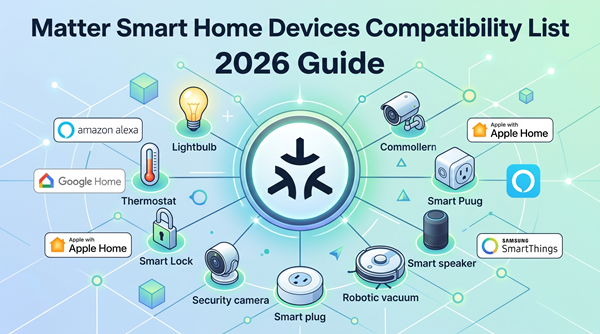
Do not buy a bunch of random gadgets that don't talk to each other. You need a hub or a unified system. With the widespread adoption of Matter 2.0 in 2026, it is easier than ever to mix and match brands. However, I still recommend sticking to a primary ecosystem like Apple Home, Google Home, or Amazon Alexa. This makes the hand-off to the tenant much smoother.
When a new tenant moves in, you should have a standard operating procedure for transferring control. You remain the "Owner" in the app, and they get "Guest" or "Resident" access. This ensures they can control the lights and heat, but they can't delete you from the system or change the master lock codes. It keeps you in the driver's seat while giving them the autonomy they want.
The Financials: ROI and Insurance
Let’s talk numbers. Installing a basic smart suite (lock, thermostat, and water sensors) usually costs between $500 and $800 per unit. If you can raise the rent by just $25 a month because of these features, you have paid for the hardware in less than three years. But the real ROI comes from the disasters you avoid. One prevented flood or one avoided locksmith call can pay for the entire system instantly.
Furthermore, many insurance companies now offer discounts for properties with monitored water shut-off valves and smart fire alarms. Call your agent and ask. You might find that the tech pays for itself through lower premiums alone. In a market where every dollar counts, these small wins add up quickly.
Maintenance in the Digital Age
Smart tech also changes how you handle repairs. Many modern appliances now have diagnostic ports or WiFi connectivity. If the dishwasher breaks, it might send you an error code that tells you exactly what part is needed. You can send the repair person out with the right part the first time, instead of paying for two separate trips. This efficiency is what separates the pros from the amateurs.
Always keep a physical backup, though. Smart locks should still have a hidden physical keyway or a jump-start battery port. Technology is great until the batteries die or the WiFi goes out. Being a smart landlord means having a Plan B for when the power fails. I always recommend a high-quality lockbox on-site with a physical master key, just in case of a total system failure.
Final Thoughts for the Modern Landlord
Building a smart rental isn't about chasing every new fad. It is about strategic investments that reduce your workload and protect your property. Start small. Install a smart lock and a thermostat. See how it changes your workflow. Once you experience the freedom of not carrying a ring of fifty keys, you will never go back. The future of property management is digital, and the future is already here. Don't get left behind.
Frequently Asked Questions
Does smart home tech violate tenant privacy?
Not if handled correctly. Only install cameras on the exterior of the property and be 100% transparent in the lease agreement. Interior sensors should focus on environmental data like leaks or temperature, not personal activity.
What happens if the WiFi goes out?
Most high-quality smart locks and thermostats have local controls. This means they will continue to work via Bluetooth or physical keypads even without an internet connection. Always choose hardware with a physical backup option.
Is it worth the investment for a single-family rental?
Absolutely. In fact, the ROI is often higher for single-family homes because the owner is usually responsible for long-distance management. Preventing one burst pipe or avoiding one trip to let in a contractor covers the cost.