 By Olivia Brooks
Our Editorial Research & Methodology
The Reality of Summer Energy Costs in 2026
We have all been there. You open your utility app in July, and your heart sinks. The bill is double what it was in May. In 2026, with the US power grid facing more strain than ever and dynamic pricing becoming the norm for most utility companies, that 'bill shock' is hitting harder. But here is the thing: most people are fighting the heat the wrong way. They focus on tiny details while ignoring the massive energy leaks right under their noses.
Lowering your electric bill isn't just about suffering in a 78-degree house. It is about physics, timing, and a few smart investments. In my experience, most homeowners can shave 20 percent to 30 percent off their summer cooling costs without feeling like they are living in a sauna. Let's break down exactly how to do it, from the high-tech upgrades to the zero-cost habits that actually move the needle.
Mastering the HVAC Beast
Your air conditioner is likely responsible for 50 percent or more of your summer electric bill. If you want to save money, you start here. Most people treat their AC like a light switch, but it is more like a marathon runner. It performs best when it is maintained and allowed to run at a steady, efficient pace.
🏆 Our Top Picks
Ecobee Smart Thermostat Premium
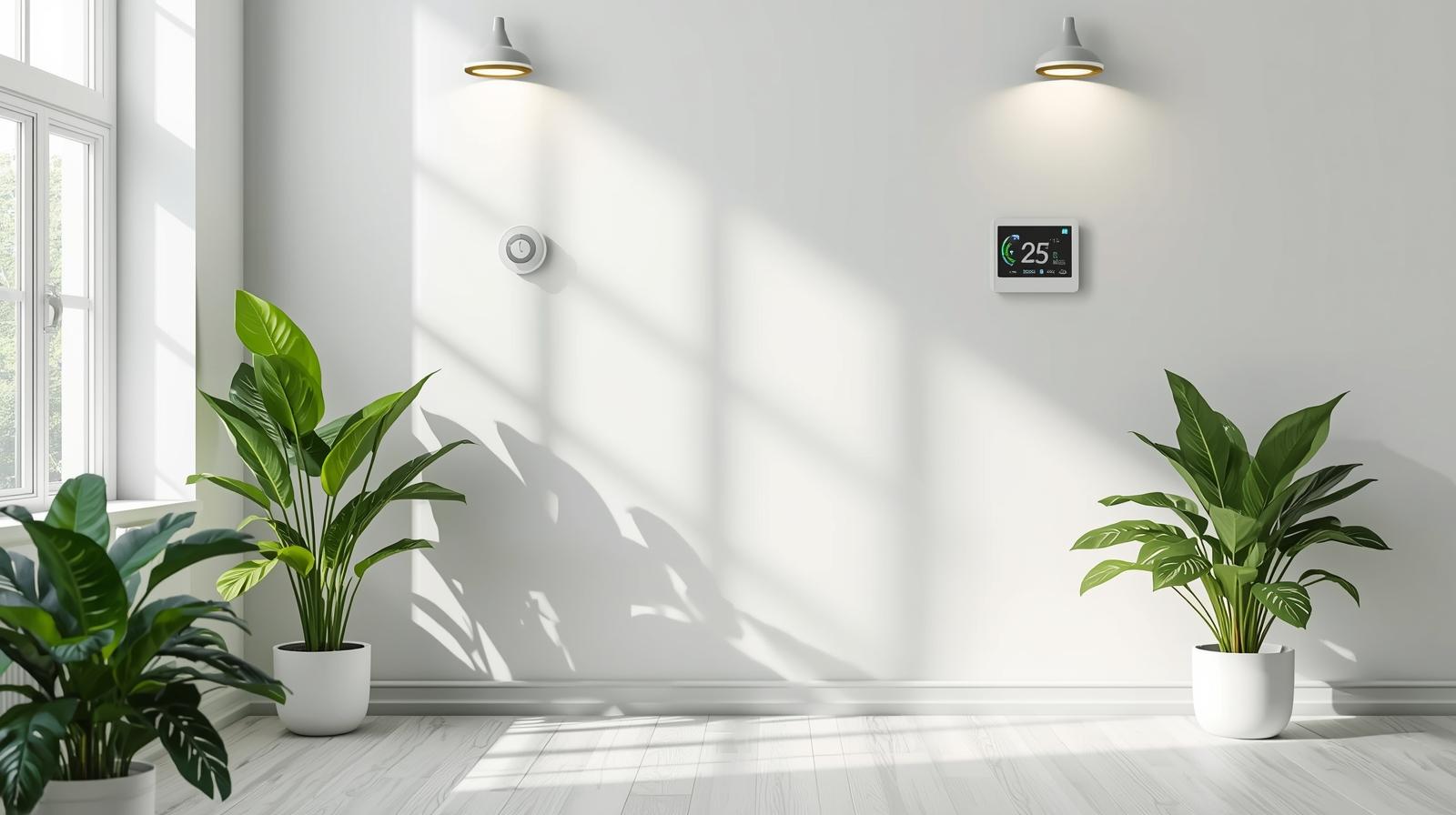
This is the gold standard for 2026 energy management. It includes a built-in air quality monitor and remote sensors that ensure the rooms you are actually using stay cool, rather than just the hallway where the thermostat sits. It excels at learning your schedule and integrating with utility 'Peak Relief' programs.
Check Price on Amazon →Midea 12,000 BTU U-Shaped Smart Inverter Window AC
If you don't have central air, this is the most efficient unit on the market. The U-shaped design allows you to fully close your window, which blocks outside noise and prevents air leaks. The inverter technology allows it to run at variable speeds rather than just 'on or off,' saving up to 35 percent more energy than traditional units.
Check Price on Amazon →Sense Energy Monitor
This device installs inside your electrical panel and uses AI to identify exactly which appliances are sucking the most power in real-time. It is perfect for homeowners who want to see the direct cost of running their dryer or AC. The only downside is that it requires professional installation by an electrician.
Check Price on Amazon →Govee WiFi Thermometer Hygrometer H5179
Humidity makes heat feel much worse. These affordable sensors allow you to track the 'real feel' in every room of your house via an app. By monitoring humidity levels, you can decide when to run a dehumidifier instead of cranking the AC, which is often more energy-efficient for comfort.
Check Price on Amazon →Duck Brand Max Strength Replacement Window Weatherstrip
The most cost-effective way to stop energy loss. This heavy-duty silicone seal is much more durable than standard foam tapes and creates an airtight barrier on leaky window sashes. It is a simple DIY fix that yields immediate results in preventing cool air from escaping.
Check Price on Amazon →The Filter Myth and Reality
You have heard it a thousand times: change your filter. But do you know why? A dirty filter doesn't just blow dust; it forces your blower motor to work twice as hard to pull air through a wall of debris. This increases the amperage draw of your unit significantly. In 2026, high-MERV filters are popular, but if your system isn't designed for them, they can actually restrict airflow too much. Stick to what your manufacturer recommends, and check it every 30 days during peak heat.
The 20-Degree Rule
Here is what most people miss: your AC is generally designed to drop the temperature about 20 degrees from the outside air. If it is 100 degrees outside and you set your thermostat to 68, your unit will run indefinitely, never reaching the goal and racking up a massive bill. Aim for a 'delta' that is realistic. Setting your thermostat to 78 degrees when you are home and 82 when you are away is the sweet spot for most US climates.
Cracking the Code of Dynamic Pricing
By now, most US utility providers have shifted to Time-of-Use (TOU) rates. This means electricity costs more when everyone else is using it—usually between 4 PM and 9 PM. If you are running your dishwasher, dryer, and AC at full blast during these hours, you are paying a premium for the exact same electrons you could get for half price at midnight.
Pre-Cooling Your Home
One of the most effective strategies I have seen is 'thermal loading.' You 'super-cool' your home in the early morning hours when rates are low and the air is cooler. Drop your thermostat to 70 degrees at 6 AM. By the time the 4 PM peak hits, your home's structure—the walls, the furniture, the floors—has absorbed that cold. You can then turn the AC up to 80 degrees during the peak hours, and your home will stay comfortable much longer because it has to fight through that 'cold bank' you built up.
The Smart Grid Advantage
In 2026, many smart thermostats can now talk directly to your utility provider. They automatically adjust your cooling based on real-time pricing. If you haven't opted into your utility's 'Rewards' or 'OhmConnect' style programs, you are leaving money on the table. Yes, they might nudge your temp up two degrees during a grid emergency, but the rebates and lower base rates are usually worth the minor inconvenience.
Sealing the Envelope: Your House is a Leaky Bucket
Imagine trying to fill a bucket with water while it has five holes in the bottom. That is what it's like running an AC in a house with air leaks. You are literally paying to cool the neighborhood. The 'envelope' of your home is the barrier between the conditioned air you paid for and the scorching humidity outside.
| Area of Leak | Impact on Bill | Fix Difficulty | Estimated Savings |
|---|---|---|---|
| Attic Hatch | High | Easy | 5-10% |
| Window Frames | Medium | Easy | 3-5% |
| Door Thresholds | Medium | Easy | 5% |
| Recessed Lighting | Low | Hard | 2-3% |
Start with the attic. Heat rises, but in the summer, heat also 'pushes' down from a 140-degree attic into your living space. If your attic hatch isn't insulated and sealed with weatherstripping, it is like leaving a window open. A simple $20 DIY insulation kit for that hatch can pay for itself in a single month.
The Hidden Heat Sources in Your Kitchen
Every time you turn on your oven in July, your AC has to work double-time to remove that heat. It is a double-spend. You pay for the electricity to heat the oven, and then you pay for the electricity for the AC to kill that heat. In my experience, shifting to 'cold' cooking or using small appliances is a game changer.
- Air Fryers and Instant Pots: These use a fraction of the energy of a full-sized oven and keep the heat contained.
- Induction Cooktops: If you are still using old-school electric coils, you are losing a lot of energy to ambient heat. Portable induction burners are 90 percent efficient and keep your kitchen cool.
- The Outdoor Grill: Keep the heat outside entirely. It sounds simple, but grilling twice a week instead of using the range can noticeably impact your monthly therms or kilowatt-hours.
Smart Tech vs. Old School Habits
We live in an era of incredible automation, but don't discount the basics. The most advanced AI thermostat can't compete with a well-placed shade tree or a heavy set of blackout curtains. The goal is to prevent the heat from entering your home in the first place—this is called 'passive cooling.'
Windows are your biggest enemy. Solar gain—the heat from sunlight hitting your glass—can raise a room's temperature by 10 degrees in an hour. South and West-facing windows should be covered with light-colored blinds or thermal curtains during the day. You want to reflect that energy back outside before it ever turns into heat inside your room.
The Ceiling Fan Direction Trick
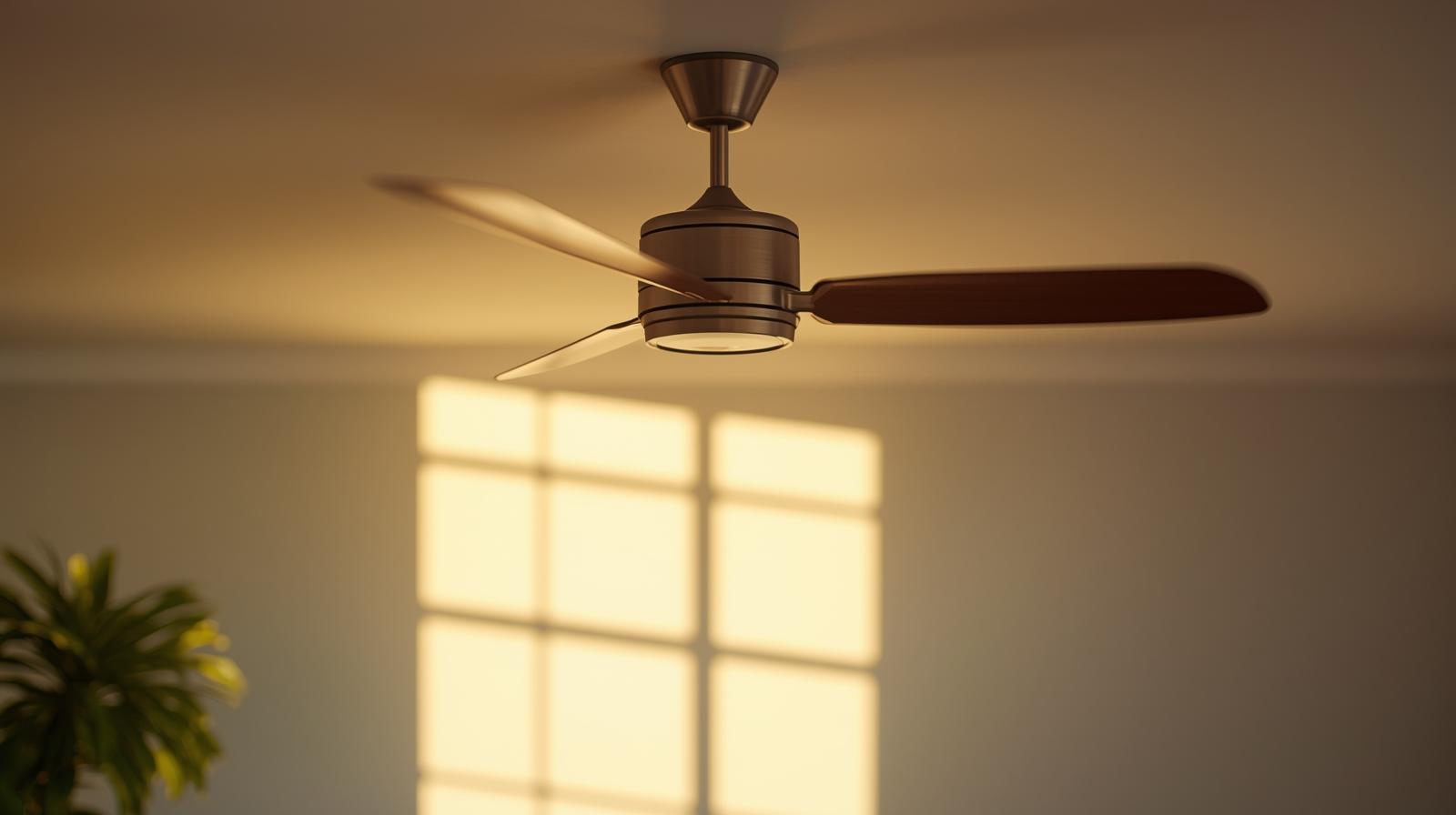
Check your fans right now. In the summer, the blades should spin counter-clockwise. This creates a downdraft that provides a 'wind chill' effect on your skin. Note that fans cool *people*, not *rooms*. If you leave a room, turn the fan off. Running a fan in an empty room is just wasting electricity because the motor itself actually generates a small amount of heat.
The ROI of Upgrades
If you have a few hundred dollars to invest, where should it go? Don't jump straight to new windows—the 'payback period' for windows can be 20 years. Instead, look at smart controls and targeted cooling. A smart thermostat is usually the best bang for your buck, followed by high-efficiency window units for rooms that stay hot, like a home office or a primary bedroom.
By focusing on the 'Big Three'—HVAC efficiency, timing your usage, and sealing air leaks—you stop being a victim of the summer heat. It takes a little bit of effort upfront, but once these systems are in place, the savings happen on autopilot. You get to keep your money, and the power grid gets a much-needed break.
Frequently Asked Questions
What is the most efficient temperature for a thermostat in summer?
The Department of Energy recommends 78 degrees Fahrenheit when you are home. For every degree you raise the thermostat above 72, you can save up to 3 percent on your cooling costs.
Do ceiling fans actually lower the room temperature?
No, ceiling fans do not lower the temperature of a room. They cool people by creating a breeze that helps evaporate moisture from your skin. Always turn them off when you leave the room to save energy.
Is it cheaper to leave the AC on all day or turn it off when I leave?
It is generally cheaper to turn the AC up (not off) when you leave. Setting it 7-10 degrees higher while you are away for 8 hours can save you about 10 percent a year on cooling.