 By Olivia Brooks
Our Editorial Research & Methodology
The Real Cost of Comfort
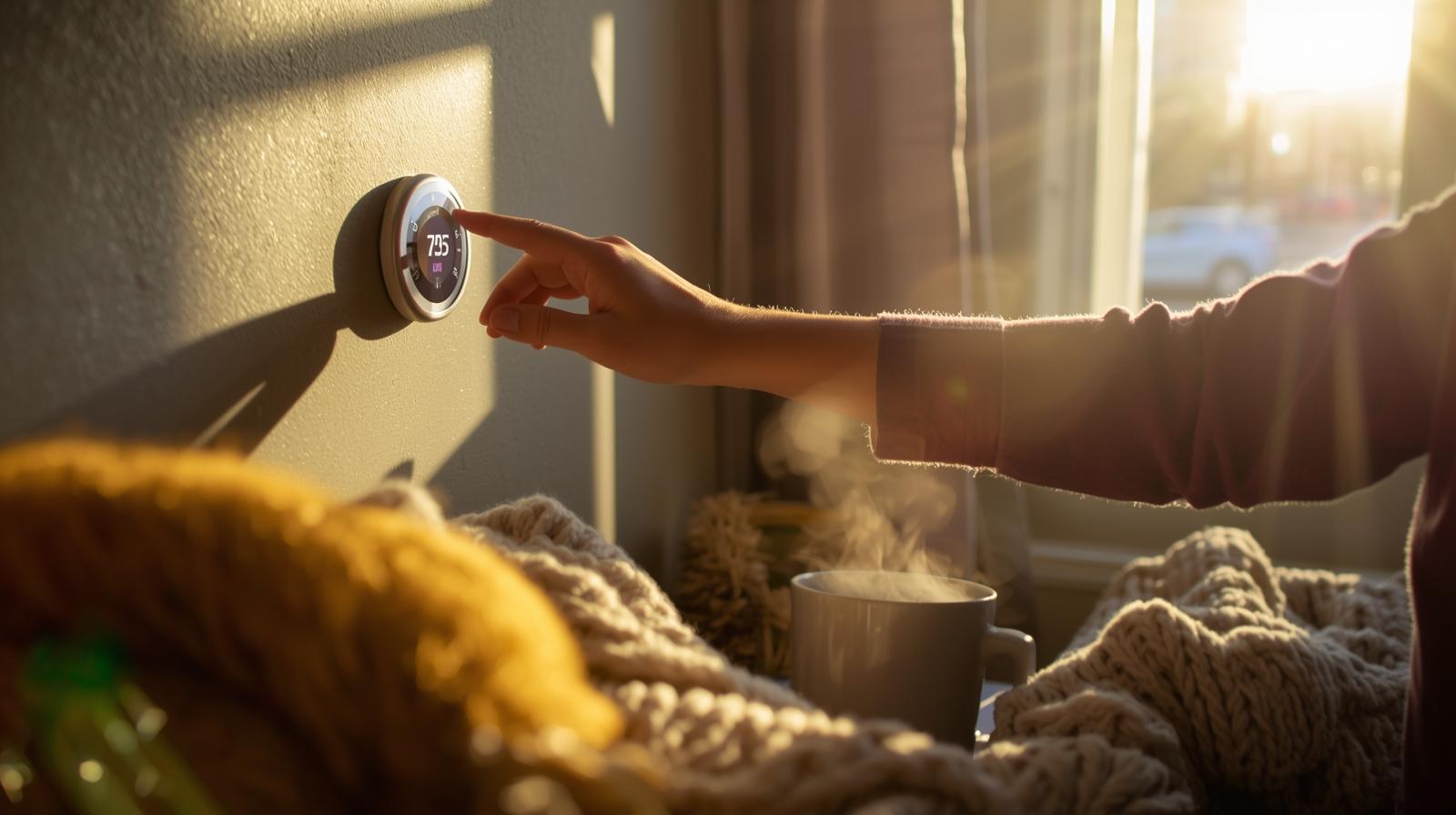
Let's be real: nobody likes looking at a 300 dollar electric bill. It feels like paying a fine for just existing in your own house. But here is the secret most HVAC companies won't tell you: you are probably using your thermostat all wrong. Most of us treat the thermostat like a volume knob. We crank it up when we are cold and blast it down when we are hot. That is the fastest way to burn money.
In 2026, energy prices are not getting any lower. Between the shift toward heat pumps and the rise of dynamic time-of-use pricing from utility companies, how you manage those few degrees on the wall matters more than ever. This guide is not about shivering in the dark. It is about being smart enough to keep your money while staying comfortable.
The Magic Numbers for Winter Savings
When the frost starts hitting the windows, your instinct is to keep the house toasty. But every degree you drop can save you about 1 percent on your heating bill. For most people, 68 degrees Fahrenheit is the sweet spot when you are home and awake. It is warm enough to be comfortable in a light sweater but low enough to stop your furnace from running constantly.
🏆 Our Top Picks
Ecobee Smart Thermostat Premium
This is the gold standard for 2026. It features a built-in air quality monitor and a zinc frame that feels like a piece of high-end tech rather than a plastic toy. It excels because of its remote sensors that prioritize the rooms you actually use, making it perfect for multi-story homes.
Check Price on Amazon →Google Nest Learning Thermostat (4th Gen)
The 4th Gen Nest uses advanced AI to predict your schedule without you ever touching the dial. It is the best choice for people who want zero-effort savings. Its 'Renewable Energy' feature even shifts your heavy cooling cycles to times when the grid is using cleaner energy.
Check Price on Amazon →Honeywell Home T9 Smart Thermostat
The T9 is a workhorse for larger families. It has incredible range on its remote sensors (up to 200 feet), allowing you to balance the temperature across a sprawling ranch or a three-story house. It is best for those who struggle with 'hot spots' in their home.
Check Price on Amazon →Emerson Sensi Touch 2
If you hate complicated tech, the Sensi Touch 2 is for you. It looks and acts like a traditional thermostat but has all the smart features hidden under the hood. It is highly rated for its privacy features and does not require a C-wire in many installations, making it great for older homes.
Check Price on Amazon →What most people miss is the sleep cycle. You do not need the house at 68 degrees when you are tucked under a heavy duvet. Dropping the temp to 62 or even 60 degrees at night can slash your consumption. Your body actually sleeps better in a cooler room anyway. If you have a modern heat pump, you have to be careful with these drops, but for traditional gas or electric furnaces, this is a gold mine for savings.
The 8-Hour Rule
If you are leaving the house for work, do not leave the heat at 68. Set it back 7 to 10 degrees. The Department of Energy has proven that keeping a house at a lower temperature for 8 hours a day can save you up to 10 percent a year. Some people think it takes more energy to heat the house back up than it does to keep it warm all day. That is a myth. A house loses heat slower when the interior temperature is closer to the outside temperature.
Summer Settings That Actually Work
Summer is a different beast. The goal here is to keep the humidity out while not turning your living room into a walk-in freezer. The magic number for summer is 78 degrees Fahrenheit when you are home. I know, it sounds high. But if you use ceiling fans, 78 feels like 74. Fans do not cool the air; they cool your skin through evaporation. Only turn them on when you are in the room.
When you are away, let the house go up to 85 degrees. Modern AC units are designed to pull humidity out of the air, which is the real enemy. If you let the house get too hot, your fridge and freezer have to work harder, so there is a limit. Do not just turn the AC off entirely if you live in a humid climate, or you might come home to a musty-smelling house.
The Humidity Factor
In 2026, many smart thermostats now include dehumidification modes. If your house feels sticky at 72 degrees, it is not the heat; it is the moisture. Running a dedicated dehumidifier can sometimes allow you to keep the thermostat at 76 while feeling just as cool as 70. This uses significantly less power than running a massive 5-ton AC compressor just to dry out the air.
Understanding Heat Pump Behavior
If you have upgraded to a modern heat pump—which many have by 2026 thanks to federal tax credits—the rules change slightly. Heat pumps are incredibly efficient, but they hate 'recovery' mode. If you drop the temp by 10 degrees and then try to crank it back up quickly, the system might kick on the 'emergency heat' or 'auxiliary heat' strips. These are basically giant toasters in your vents, and they eat electricity for breakfast.
For heat pump owners, the 'set it and forget it' method is often better. Or, use a smart thermostat with 'Adaptive Recovery.' This feature knows how long it takes to warm your house and starts the process slowly and efficiently so the backup heat never turns on. It is a subtle difference that can save you hundreds over a single winter.
Where You Put the Thermostat Matters
I have seen million-dollar homes with the thermostat placed right next to a drafty front door or in the direct path of afternoon sunlight. This is a disaster for energy saving. If the sun hits your thermostat, it thinks the house is 85 degrees when it is actually 70. Your AC will run until your bedroom is an ice box.
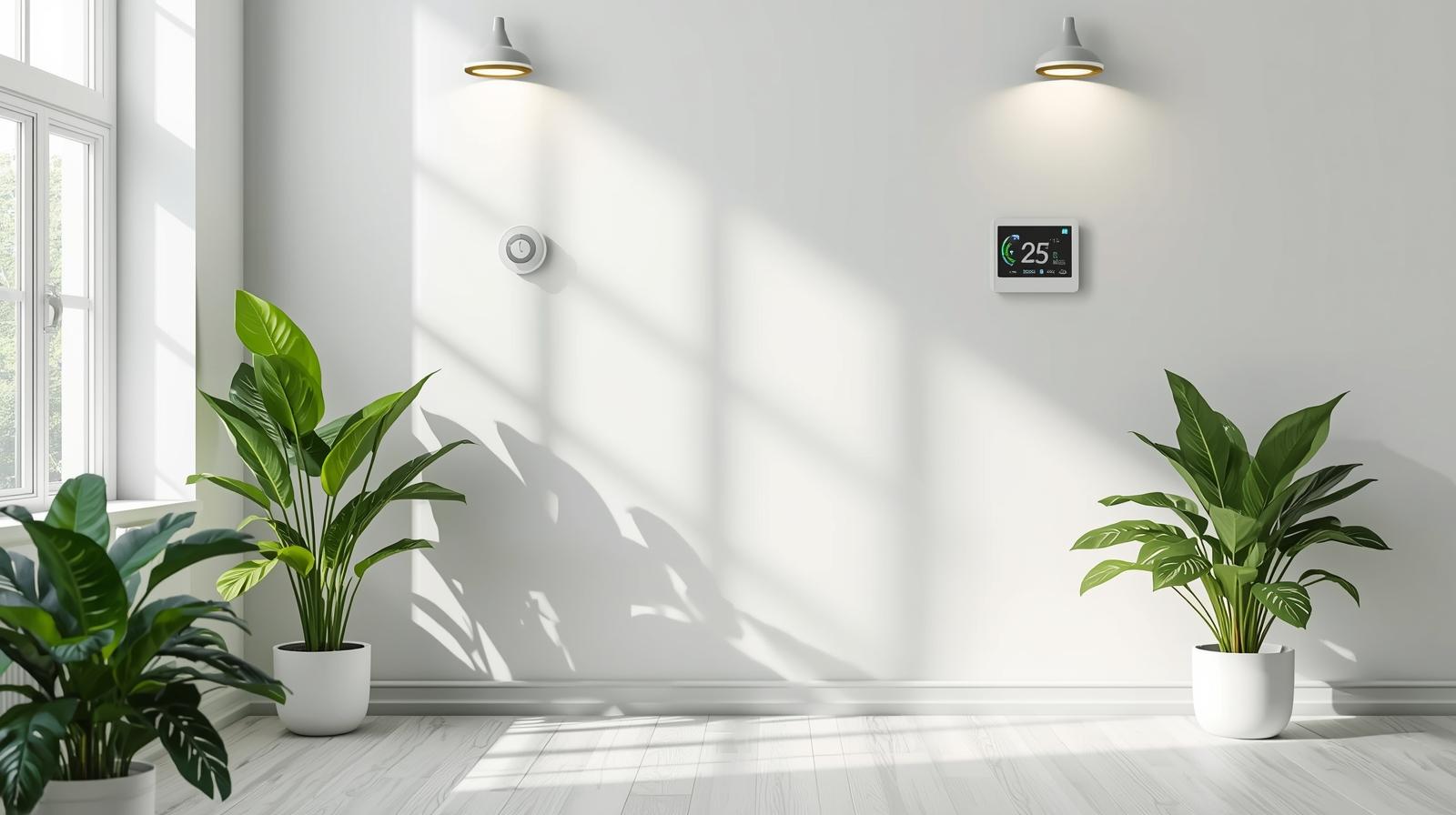
If your thermostat is in a bad spot, you do not necessarily need to rewire the whole house. In 2026, remote sensors are the standard. You can place a tiny sensor in the room you actually spend time in, like the home office or the bedroom. The thermostat will then ignore the hallway temperature and focus on where you are. This prevents 'short-cycling,' where the AC turns on and off too quickly, which is brutal on your equipment.
The Role of AI and Matter in 2026
We have moved past simple programmable thermostats. The latest generation of devices uses local AI to learn your habits. They know that on Tuesdays you go to the gym at 5 PM, so they start cooling the house at 4:45 PM. They also integrate with 'Matter,' the universal smart home standard. This allows your thermostat to talk to your smart blinds. If the sun is beating down on the south side of the house, the thermostat can tell the blinds to close, reducing the heat load before the AC even has to kick in.
Dynamic Pricing and the Grid
Many utility companies now offer 'Demand Response' programs. During a heatwave, the grid gets stressed. If you opt-in, your utility company can slightly adjust your thermostat by 1 or 2 degrees during peak hours. In exchange, they give you credits on your bill. With the 2026 energy grid being more volatile, these programs are becoming a primary way for homeowners to keep their costs down without doing any manual work.
Comparison of Optimal Settings
| Scenario | Winter Setting (Heating) | Summer Setting (Cooling) | Energy Impact |
|---|---|---|---|
| Home & Awake | 68 F (20 C) | 78 F (25.5 C) | Baseline |
| Sleeping | 60-62 F (15-16 C) | 82 F (28 C) + Fan | 15% Savings |
| Away (8+ Hours) | 58-60 F (14-15 C) | 85 F (29 C) | 20% Savings |
| Vacation | 55 F (13 C) | 88 F (31 C) | Max Savings |
Common Mistakes to Avoid
One of the biggest mistakes is the 'Turbo' myth. Setting your thermostat to 50 degrees will not cool your house down faster than setting it to 70. An AC unit is either on or off. It blows the same cold air regardless of the setting. All you are doing by setting it to 50 is ensuring it stays on way too long and freezes your evaporator coils.
Another mistake is ignoring the filter. A clogged filter makes your blower motor work twice as hard to move the same amount of air. It is like trying to breathe through a straw while running a marathon. Change your filters every 90 days, or every 30 days if you have pets. It is the cheapest HVAC 'repair' you will ever perform.
The Bottom Line
Saving energy is not about sacrifice; it is about management. By using the 68/78 rule and leveraging the tech inside a modern smart thermostat, you can live a perfectly comfortable life while keeping your utility company's hands out of your pocket. Start with small changes. Drop the temp by one degree this week. You probably won't even notice the difference in the air, but you will definitely notice it in your bank account.
Frequently Asked Questions
Is it cheaper to leave the AC on all day?
No. It is a common myth. It is always cheaper to turn the AC up (or heat down) when you are away for more than 4 hours. The house loses energy slower when the temperature difference between inside and outside is smaller.
What is the best humidity level for energy saving?
Aim for 30-50% humidity. High humidity makes air feel warmer in summer, while very low humidity makes air feel colder in winter. Managing humidity allows you to use less extreme thermostat settings.
Do smart thermostats really pay for themselves?
Yes, typically within 12 to 24 months. By automating setbacks and using geofencing to know when you are home, they eliminate the human error of forgetting to adjust the dial.