 By Olivia Brooks
Our Editorial Research & Methodology
The Reality of Your Power Bill in 2026
Let’s be honest. Opening your electricity bill lately feels a bit like watching a horror movie. You know something bad is coming, but the final number still makes you jump. With the shift toward total home electrification and the rise of dynamic pricing, managing your energy use isn't just about 'turning off the lights' anymore. It is about being smarter than the grid.
In my years of auditing home energy use, I have seen people obsess over a single phone charger while ignoring the massive energy hog in their attic. If you want to see real, double-digit percentage drops in your monthly statement, you need a strategy that targets the heavy hitters. We are going to look at your home as a system, from the way you heat your water to the 'vampire' devices sucking juice while you sleep.
The Big Three: Where Your Money Actually Goes
Before we dive into the hacks, we have to look at the data. In the average modern home, three things account for nearly 70 percent of your total energy spend: climate control, water heating, and large appliances. If you aren't focusing here, you are just rearranging deck chairs on the Titanic.
| Category | Average Percentage of Bill | Primary Driver |
|---|---|---|
| HVAC | 45-50% | Heating and Cooling |
| Water Heating | 14-18% | Showers and Laundry |
| Appliances | 12-15% | Refrigeration and Drying |
| Lighting/Electronics | 10-12% | Always-on devices |
Mastering Your Climate Control
Heating and cooling are the undisputed heavyweight champions of energy consumption. In 2026, the gold standard is the air-source heat pump. If you are still running an old-school furnace or a central AC unit from ten years ago, you are essentially burning money in your backyard. Modern heat pumps are now efficient even in sub-zero temperatures, moving heat rather than generating it.
🏆 Our Top Picks
Ecobee Smart Thermostat Premium
This is the smartest hub for climate control. It includes a built-in air quality monitor and remote sensors to ensure your HVAC isn't overworking to cool empty rooms. It's best for homes with multiple rooms that vary in temperature.
Check Price on Amazon →Emporia Smart Home Energy Monitor
This device installs directly into your breaker panel and provides real-time data for every circuit. It's the best tool for identifying exactly which appliance is spiking your bill. Best for data-driven homeowners who want total transparency.
Check Price on Amazon →Rheem ProTerra Hybrid Heat Pump Water Heater
This unit is up to 4x more efficient than a standard electric water heater. It features built-in Wi-Fi to schedule heating during off-peak hours. It's the best long-term investment for reducing hot water costs.
Check Price on Amazon →Kasa Smart Wi-Fi Power Strip KP303
Featuring three independently controllable outlets, this strip allows you to schedule power cuts for 'vampire' devices like game consoles and TVs. It's an affordable way to automate energy savings without replacing appliances.
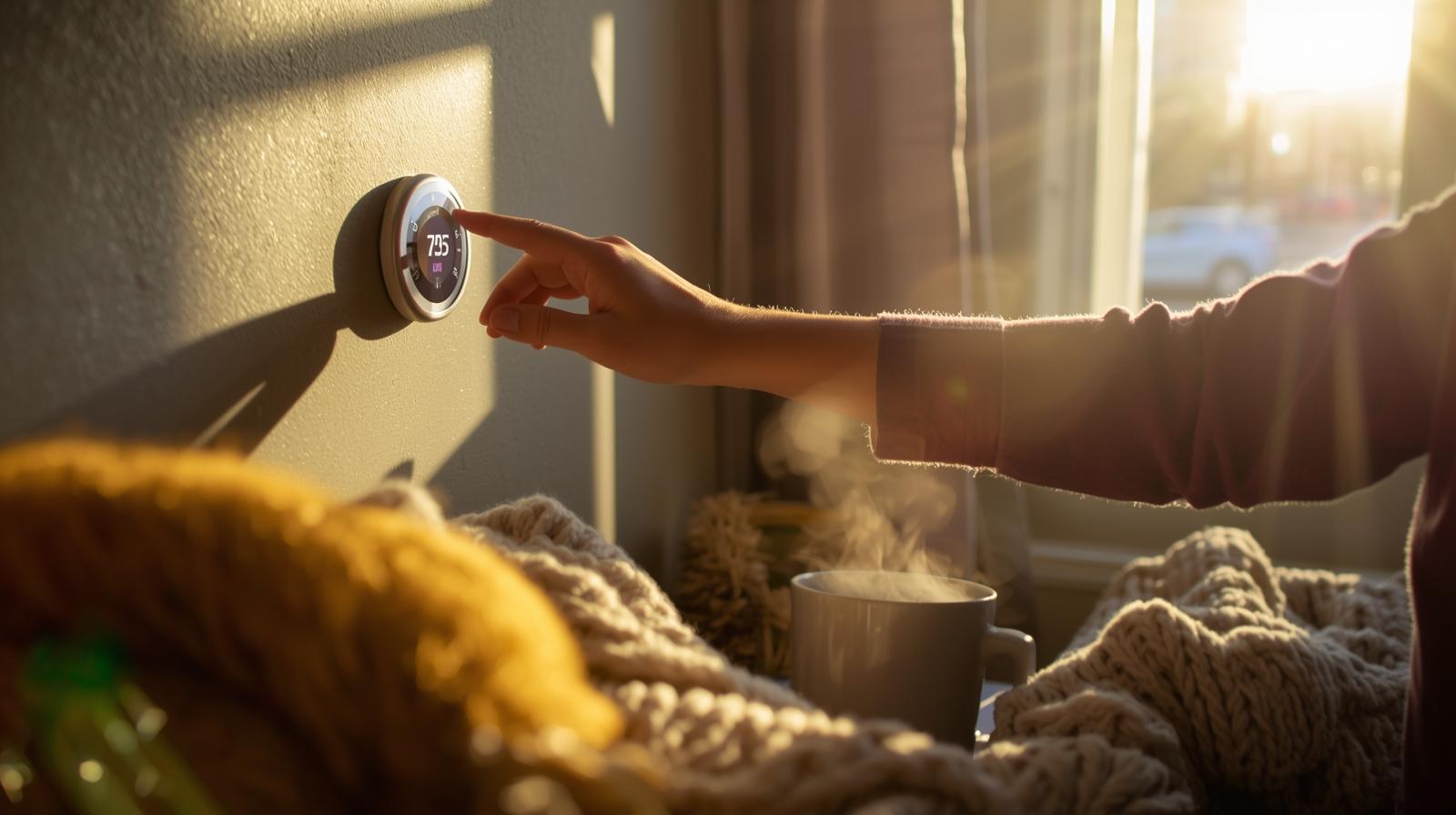
Check Price on Amazon →But you don't have to replace your whole system today to save. Start with your thermostat. A smart thermostat isn't just a fancy dial; it is an AI-driven manager that learns when you are home and when you are not. Most people set their thermostat and forget it, which is a huge mistake. By letting the temperature drift just 3 degrees when you are out, you can save up to 10 percent a year on your cooling costs.
The Filter Fallacy
Here is something most people miss: a dirty air filter is a tax on your wallet. When your filter is clogged with dust and pet hair, your blower motor has to work twice as hard to push air through. This doesn't just raise your bill; it kills the lifespan of your equipment. Check your filters every 30 days. If it looks gray, swap it out. It is the cheapest maintenance you will ever do.
The Silent Drain: Water Heating
Your water heater is the second largest energy consumer in your home. It sits there 24/7, keeping 50 gallons of water piping hot just in case you decide to take a shower. That is incredibly inefficient. If your water heater is more than 12 years old, it is likely on its last legs anyway.
Consider switching to a hybrid heat pump water heater. These units are up to three times more efficient than standard electric tanks. They pull heat from the surrounding air and dump it into the water. Yes, the upfront cost is higher, but with current 2026 tax credits and the monthly savings, most homeowners break even in less than three years.
Simple Water Wins
- Lower the Temp: Most manufacturers set water heaters to 140 degrees. Turn it down to 120. You won't notice the difference in your shower, but your bill will.
- Insulate the Pipes: Spend 20 dollars on foam pipe insulation. It keeps the water in the pipes warmer for longer, reducing the 'wait time' at the tap.
- Low-Flow Fixtures: Modern low-flow showerheads don't feel like a weak mist anymore. They use air-induction technology to give you a high-pressure feel while using 30 percent less hot water.
Vampire Power and the Always-On Load
What most people miss is the 'vampire load.' This is the electricity consumed by devices that are turned off but still plugged in. Think about your microwave clock, your game console in standby mode, and your coffee maker. In 2026, the average home has over 40 connected devices. Individually, they use very little. Collectively, they can account for 10 percent of your bill.
In my experience, the easiest way to kill vampires is with smart power strips. These strips can detect when a primary device (like your TV) is turned off and automatically cut power to the peripherals (like your soundbar and streaming box). It is a 'set it and forget it' solution to a constant drain.
The Kitchen Efficiency Audit
Your refrigerator is the only appliance that runs 24/7. If the seals are brittle, cold air is leaking out constantly. Try the 'dollar bill test.' Close the fridge door on a dollar bill. If you can pull it out easily, your seal is shot. Also, keep your coils clean. A vacuuming of the coils behind or under your fridge once a year can improve efficiency by 15 percent.
The 2026 Tech Edge: AI and Grid Balancing
We are now in an era where 'Time-of-Use' (TOU) pricing is the norm. This means electricity costs more at 6 PM than it does at 2 AM. If you are running your dishwasher or dryer during peak hours, you are paying a premium for the exact same electrons. Many modern appliances now have 'delay start' features. Use them. Set your heavy loads to run after midnight.
Furthermore, home energy monitors have become incredibly sophisticated. Devices like the Emporia or Sense monitor can now identify the 'electronic signature' of every appliance in your house. They can tell you exactly how much it cost to toast that bagel this morning. When you have that kind of data, you stop guessing and start saving.
The Envelope: Insulation and Sealing
You can have the most efficient HVAC system in the world, but if your house is 'leaky,' it doesn't matter. Think of your home like a thermal mug. If the lid is off, the coffee gets cold. Most homes leak air through the attic hatch, electrical outlets, and baseboards.
Spend a Saturday with a few cans of spray foam and some weatherstripping. Focus on the attic first. Heat rises, and in the winter, it is escaping through every recessed light fixture and plumbing stack. Sealing these gaps is often more effective than adding more insulation. If you can see your floor joists in the attic, you don't have enough insulation. You want a thick, fluffy blanket of fiberglass or cellulose up there.
Windows: The Myth of Replacement
Salesmen will tell you that you need 30,000 dollars in new windows to save money. In reality, the ROI on windows is terrible—it can take 20 years to pay for themselves. Instead, use cellular shades or heavy curtains. In the summer, keep them closed on the sunny side of the house. In the winter, open them to let the sun heat your floors for free. It is low-tech, but it works.
Behavioral Shifts That Stick
At the end of the day, technology only gets you so far. Your habits matter. But I am not going to tell you to sit in the dark. Instead, focus on high-impact habits. For example, always wash your clothes in cold water. Modern detergents are designed for it, and 90 percent of a washing machine's energy goes toward heating the water. Also, air-dry your clothes when possible. The dryer is one of the hungriest appliances in the house.
Another tip: use a toaster oven or air fryer for smaller meals instead of preheating your full-size oven. It uses a fraction of the energy and won't heat up your kitchen in the summer, saving your AC from working overtime.
Summary of Action Steps
If you are feeling overwhelmed, just do these three things this week: 1. Swap your five most-used light bulbs for high-efficiency LEDs. 2. Lower your water heater to 120 degrees. 3. Set your thermostat to adjust by 3 degrees when you are sleeping or away. These three steps alone will likely shave 5 to 10 percent off your next bill. From there, you can start looking at the bigger upgrades like heat pumps and smart monitors. Saving money on electricity isn't about sacrifice; it is about efficiency.
Frequently Asked Questions
Does turning lights on and off use more energy than leaving them on?
With modern LED bulbs, this is a myth. LEDs use so little power that you should always turn them off when leaving a room. The 'startup surge' is negligible.
Is it cheaper to run appliances at night?
In 2026, most providers use Time-of-Use pricing. Running heavy appliances like dryers and dishwashers after 9 PM or before 8 AM can be significantly cheaper.
Do solar panels still make sense with current rates?
Yes, especially when paired with a home battery. As grid prices rise, the ability to 'peak shave' by using your own stored solar power during expensive evening hours is highly profitable.