 By Olivia Brooks
Our Editorial Research & Methodology
The Truth About Smart Homes and Your Wallet
You have probably looked at your electric bill lately and felt a physical pang in your chest. I get it. In 2026, energy prices are not exactly trending downward. Most people think a smart home is just a collection of expensive toys that let you turn off the lights from the couch. While that is true, the real power of these devices lies in their ability to act as a silent accountant for your home energy use.
Here is the thing: your house is leaking money. It happens in the form of phantom loads, inefficient heating cycles, and lights left on in empty rooms. You do not need a degree in electrical engineering to fix this. You just need the right tools and a bit of strategy. We are going to dive deep into the devices that actually pay for themselves within the first year.
The Heavy Hitter: Smart Thermostats
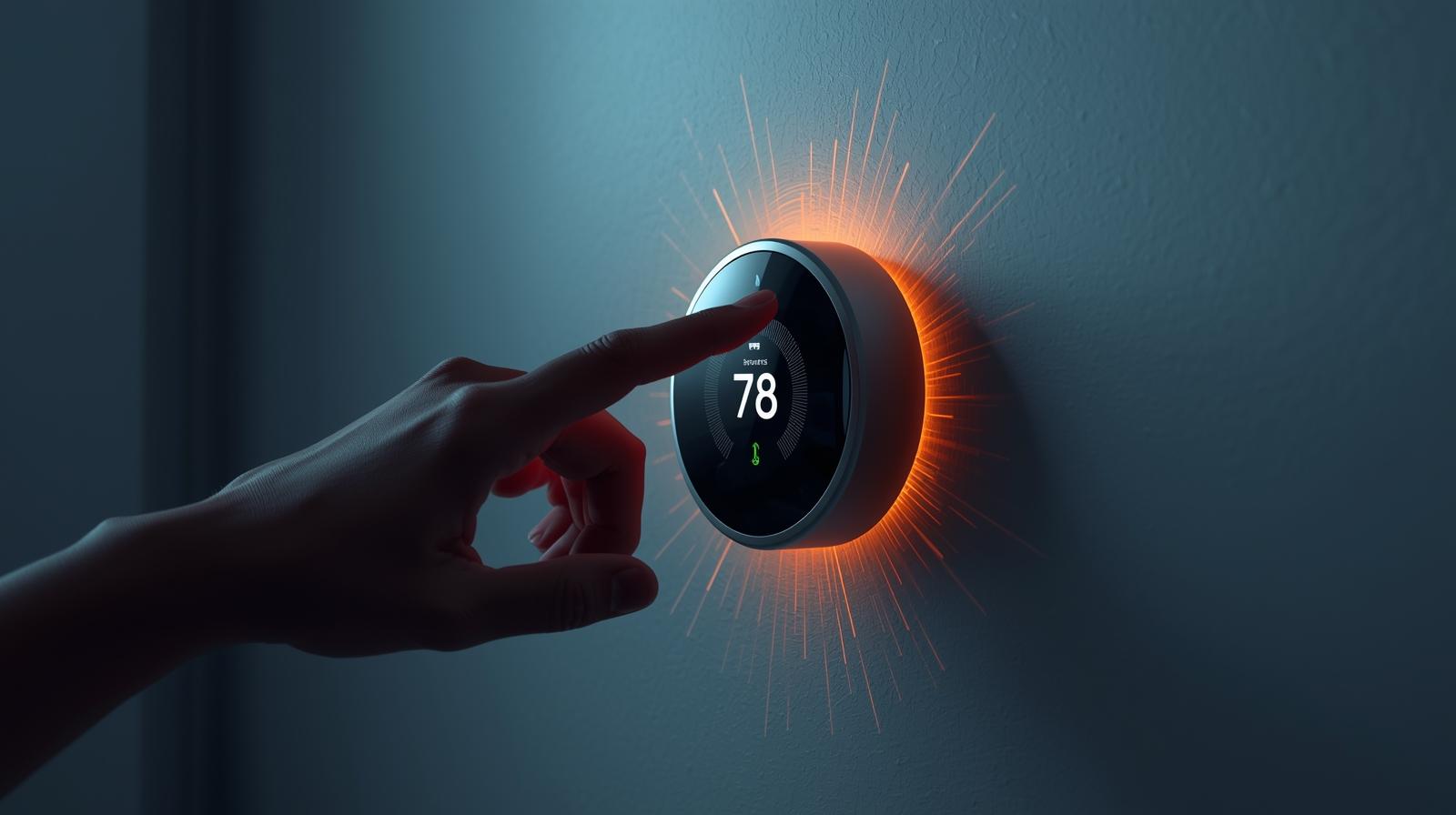
Heating and cooling usually account for about 50 percent of your total energy bill. If you are still using a manual dial or a basic programmable thermostat, you are essentially throwing cash into a furnace. A smart thermostat does not just follow a schedule; it learns how your house breathes.
🏆 Our Top Picks
Ecobee Smart Thermostat Premium
This is the gold standard for HVAC control. It includes a zinc-bodied remote sensor that balances the temperature in the rooms that actually matter, not just the hallway. Its built-in air quality monitor and Siri/Alexa integration make it a central hub for the home.
Check Price on Amazon →Emporia Gen 2 Whole Home Energy Monitor
This device provides a granular look at your energy consumption by monitoring up to 16 individual circuits. It is perfect for identifying which old appliance is failing and costing you a fortune. The app interface is clean and provides real-time data down to the second.
Check Price on Amazon →Kasa Smart Plug Mini EP25 with Energy Monitoring
These are compact, reliable, and support the Matter protocol. Unlike cheaper plugs, the EP25 specifically tracks energy usage, allowing you to set schedules based on how much power a device is consuming. They are small enough that you can fit two in a single wall outlet.
Check Price on Amazon →Lutron Caseta Smart Switch Starter Kit
Lutron uses a proprietary Clear Connect frequency that does not clog your Wi-Fi. These switches are incredibly reliable and allow you to turn any 'dumb' bulb into a smart one. They are ideal for controlling large banks of recessed lights where buying individual smart bulbs would be too expensive.
Check Price on Amazon →Philips Hue Bridge and Smart Bulb Kit
While more expensive than budget brands, Hue bulbs offer the best dimming range and longevity. Using the Bridge allows for advanced automations and sensors that work even if your internet goes down. Their motion sensors are among the fastest and most reliable on the market.
Check Price on Amazon →In my experience, the biggest mistake people make is setting a rigid schedule. Life is messy. You stay late at work, or you head out for a weekend trip on a whim. A smart thermostat uses geofencing to know when your phone leaves the driveway. It then shifts into an Eco mode that keeps the house at a safe but energy-saving temperature. When you are five miles from home, it kicks back on so the house is comfortable the moment you walk in.
Why AI Learning Matters
Modern thermostats in 2026 use predictive AI. They look at the weather forecast and understand that if a heatwave is coming at 2:00 PM, they should pre-cool the house at 11:00 AM when electricity rates might be lower. This is called load shifting, and it is the secret weapon of energy nerds everywhere.
Killing the Vampire Power with Smart Plugs
Have you ever heard of vampire power? It sounds dramatic, but it is a real drain on your bank account. Even when your TV, coffee maker, or computer monitor is turned off, it is still drawing a small amount of power. This is called a standby load. Individually, it is pennies. Collectively, it can account for 10 percent of your monthly bill.
Smart plugs are the solution. But do not just buy any plug. You want ones with built-in energy monitoring. This allows you to see exactly how much juice your old basement fridge is sucking up. You can set these plugs to completely cut power to your entertainment center at midnight and restore it at 7:00 AM. No standby power, no wasted money.
The Power of Automation Stacks
Think about your home office. You have a monitor, a printer, a desk lamp, and maybe a standing desk. By plugging these into a smart power strip, you can create a single automation: When my laptop disconnects from the Wi-Fi, kill power to everything else. It is effortless and effective.
Smart Lighting: Beyond the Dimmer
LED bulbs were the first step. Smart lighting is the second. Most people think smart bulbs are about changing colors for a party. In reality, they are about ensuring that not a single watt is wasted on an empty room. Motion sensors are your best friend here.
Instead of relying on your kids to flip the switch, install sensors in high-traffic areas like hallways, bathrooms, and the garage. If no movement is detected for three minutes, the lights go out. It sounds simple, but the cumulative savings over a year are massive. Plus, you can set your lights to dim to 80 percent brightness by default. Your eyes will not notice the difference, but your meter will.
Whole-Home Energy Monitors: The Brain of the Operation
If you really want to get serious, you need to see the invisible. A whole-home energy monitor installs inside your electrical panel. It uses sensors called CT clamps to measure the current flowing through every circuit in your house. This is where the magic happens.
These devices can identify the unique electrical signature of your appliances. It can tell the difference between your toaster and your dishwasher. Within a week, you will get a notification on your phone saying, Your dryer is costing you 45 dollars a month. Maybe it is time to clean the vent or run it during off-peak hours. This level of data turns energy saving from a guessing game into a science.
Comparison of Potential Savings
| Device Category | Estimated Annual Saving | Difficulty to Install | Payback Period |
|---|---|---|---|
| Smart Thermostat | 15-25% on HVAC | Medium | 6-12 Months |
| Smart Lighting/Sensors | 10-15% on Lighting | Easy | 12-18 Months |
| Smart Plugs | 5-10% on Electronics | Very Easy | 3-6 Months |
| Energy Monitor | Variable (Knowledge is Power) | Hard (Requires Pro) | 12-24 Months |
Smart Blinds and Thermal Regulation
This is the most underrated category in home automation. Your windows are thermal holes in your walls. In the summer, the sun bakes your living room, forcing the AC to work overtime. In the winter, heat escapes through the glass. Smart blinds solve this by reacting to the sun.
Using light sensors, smart blinds can automatically close when the sun is hitting the south side of your house in July. This keeps the internal temperature stable without using a drop of electricity for cooling. In the winter, they do the opposite: they open up to let the free solar heat warm your floors. It is passive energy management at its finest.
The 2026 Context: Matter and Thread
We are finally past the days of needing five different apps to run a smart home. In 2026, the Matter protocol is the standard. When you are buying devices to save money, make sure they are Matter-compatible. This ensures they can talk to each other regardless of the brand. For example, your smart blinds can tell your thermostat that the sun is out, so the heater can take a break. This ecosystem synergy is what pushes savings from good to great.
Actionable Steps to Start Today
- Audit your bills: Look for the months where your usage spikes. Is it heating or cooling?
- Start with a Thermostat: It offers the fastest return on investment.
- Identify the Vampires: Use a single smart plug to test different appliances around your house. You will be surprised what you find.
- Set up Time-of-Use (TOU) alerts: If your utility company charges more during the day, program your smart devices to run heavy loads (like dishwashers) at night.
The goal is not to live in a dark, cold house. The goal is to use technology to maintain your lifestyle while cutting out the waste. Every dollar you do not send to the utility company is a dollar you keep in your pocket. In the long run, these devices do not cost money; they make money.
Frequently Asked Questions
Do smart devices use electricity themselves?
Yes, but the amount is negligible. Most smart plugs and sensors use less than 1 watt of power, while they can save you hundreds of watts by managing larger appliances.
Is it hard to install a whole-home energy monitor?
Yes, it usually requires opening your electrical panel. Unless you are very comfortable with DIY electrical work, I recommend hiring a licensed electrician for this specific task.
Can I really save money if I live in an apartment?
Absolutely. Smart plugs and smart bulbs are portable and require no permanent changes. You can take them with you when you move, making them a great investment for renters.