 By Olivia Brooks
Our Editorial Research & Methodology
The Reality of Your Power Bill in 2026
If you opened your electric bill this morning and felt a sudden urge to sit in the dark, you are not alone. It is February 2026, and the energy landscape has shifted significantly over the last two years. We are seeing a massive push toward grid modernization and renewable energy, but that transition comes with a price tag that is landing squarely on your kitchen table.
Here is the thing: electricity prices are no longer just about how much coal or gas we burn. Today, you are paying for 'grid hardening' against extreme weather and the massive infrastructure needed to support electric vehicles in every driveway. In my experience, most homeowners feel powerless against these rising rates, but understanding the data is the first step to taking control.
The National Average: Where We Stand
As of early 2026, the national average for residential electricity sits at approximately 18.4 cents per kilowatt-hour (kWh). That is a noticeable jump from the 16-cent range we saw just a few years ago. However, that 'average' is a bit of a lie. Depending on where you live, you might be paying three times more than your cousin three states over.
Average Electricity Rates by State (February 2026)
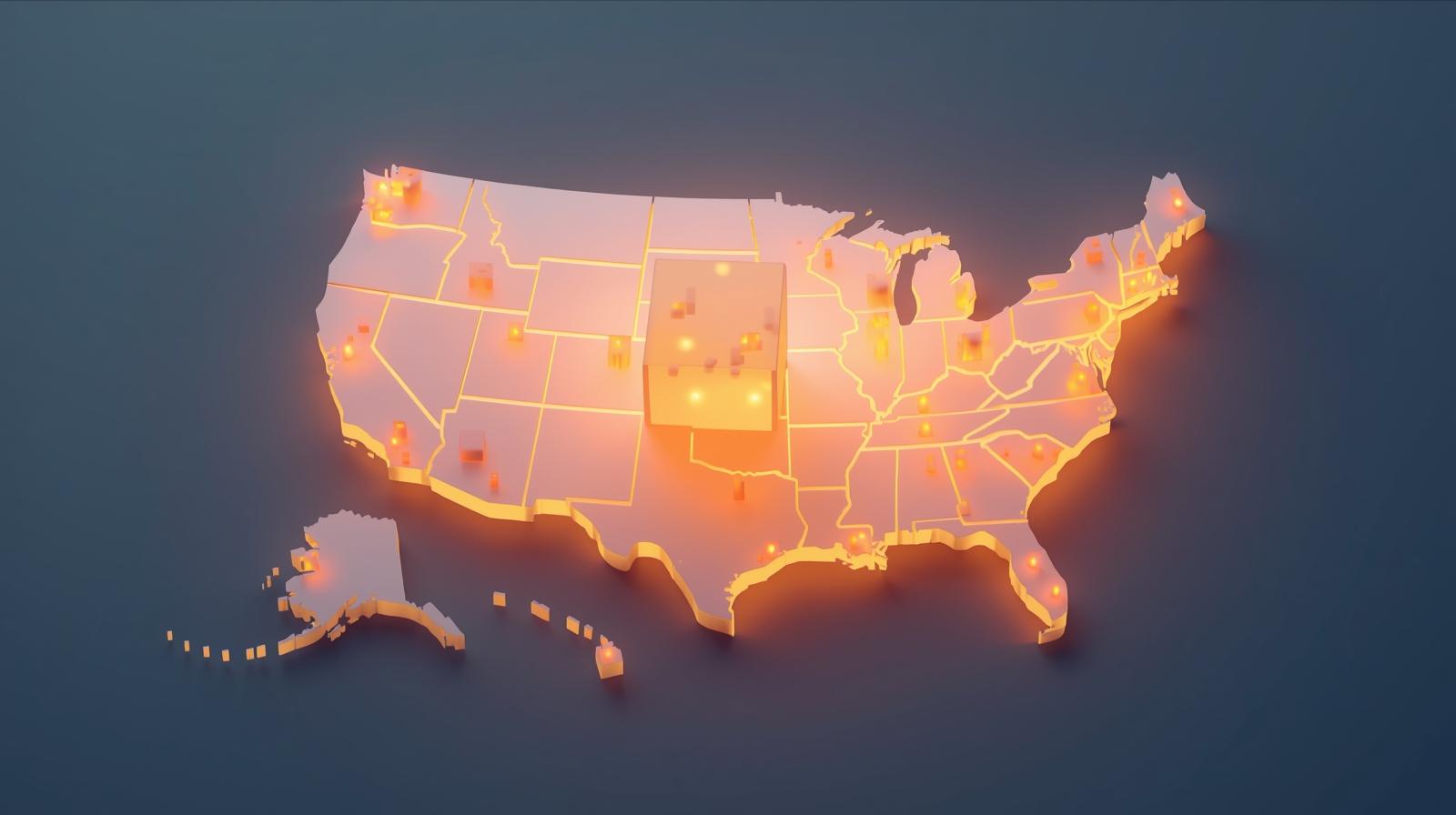
To give you a clear picture, I have broken down the current rates across the country. These numbers reflect the total residential rate, including delivery charges and taxes, which often make up nearly half of your total bill.
🏆 Our Top Picks
Sense Energy Monitor
This is the gold standard for home energy tracking. It installs directly into your breaker panel and uses machine learning to identify exactly which appliances are running. It is best for homeowners who want to see real-time data and find 'vampire loads' that are silently draining their bank accounts. One downside is that it requires a professional installation if you aren't comfortable working inside an electrical panel.
Check Price on Amazon →Ecobee Smart Thermostat Premium
The Ecobee excels because it includes a built-in air quality monitor and a remote sensor to balance temperatures across different rooms. It integrates perfectly with 2026 'Time of Use' programs, automatically pre-cooling your home when rates are low. The only real drawback is the higher price point compared to basic smart thermostats, but the energy savings usually cover the difference in less than a year.
Check Price on Amazon →Emporia Smart Plugs with Energy Monitoring
If you don't want to mess with your breaker panel, these smart plugs are the best entry point. They allow you to monitor the energy draw of individual appliances like space heaters or old refrigerators through a simple app. They are perfect for renters who want to track their usage. The limitation is that they can only handle up to 15 amps, so don't try to plug your heavy-duty dryer into one.
Check Price on Amazon →Jackery Explorer 2000 Plus
In 2026, 'peak shaving' is a real strategy. This portable power station allows you to charge during cheap off-peak hours and run your home office or TV during expensive peak hours. It features LiFePO4 battery technology for a 10-year lifespan and can be expanded with extra batteries. The downside is the weight; at over 60 pounds, it is not something you want to move around daily.
Check Price on Amazon →| State | Avg Rate (cents/kWh) | Monthly Bill (1,000 kWh) |
|---|---|---|
| Hawaii | 49.2 | $492 |
| California | 36.8 | $368 |
| Massachusetts | 33.1 | $331 |
| New York | 25.4 | $254 |
| Florida | 17.1 | $171 |
| Texas | 15.9 | $159 |
| Washington | 11.8 | $118 |
| Louisiana | 12.4 | $124 |
For a deeper dive into how these numbers have evolved, check out our Average US Electricity Cost by State: 2026 Price Guide. It breaks down the historical trends that led us to these current highs.
Why the Massive Gap Between States?
You might look at Washington's 11.8 cents and Hawaii's 49.2 cents and wonder if they are even using the same physics. They aren't. Well, they are, but the economics are worlds apart. Here is what is actually driving those differences in 2026.
1. The Fuel Mix
States like Washington and Idaho benefit from massive hydroelectric dams. Once those dams are built, the 'fuel' (water) is essentially free. On the flip side, Hawaii relies heavily on imported fuels, which are subject to global shipping costs and market volatility. If your state is still heavy on natural gas, your bill fluctuates with the global market.
2. Regulation vs. Deregulation
In a regulated state, one utility company owns everything and the government sets the price. In a deregulated state like Texas, you can shop for your provider. While this can lead to lower rates, it also means you have to be a savvy shopper. If you stay on a 'default' plan in a deregulated market, you are likely overpaying by 20% or more.
3. Infrastructure and 'Grid Hardening'
California is a prime example here. Between wildfire prevention and the massive shift toward solar, the state is spending billions on the grid. Those costs are passed directly to you. In 2026, we are seeing 'delivery fees' that are sometimes higher than the cost of the actual electricity you used.
The Hidden Costs: What Most People Miss
When you look at your bill, don't just look at the total. Look at the 'Time of Use' (TOU) rates. By 2026, almost every major utility has moved to some form of TOU pricing. This means electricity at 6:00 PM might cost four times as much as electricity at 2:00 AM.
What most people miss is that their appliances are working against them. Your water heater, dishwasher, and AC unit don't care what time it is—unless you tell them to. In my experience, simply shifting your laundry schedule can save you $30 to $50 a month without spending a dime on new gear.
How to Lower Your Bill Without Living in the Dark
You don't have to live like a pioneer to save money. The tech in 2026 is smart enough to do the heavy lifting for you. Here is how I recommend tackling a high bill:
- Audit your 'Vampire Loads': That old DVR or the secondary fridge in the garage is sucking power 24/7. Use a smart plug to see exactly how much they cost you.
- Seal the Envelop: Before you buy a new AC, buy a $10 roll of weatherstripping. If you can feel a draft, you are literally throwing money out the window.
- Automate your Thermostat: If you are still touching the dial on the wall, you are losing. A smart thermostat knows when you are gone and when the rates are high.
- Check for Rebates: In 2026, federal and state incentives for heat pumps and induction stoves are at an all-time high. You might get paid to upgrade.
The Solar Question
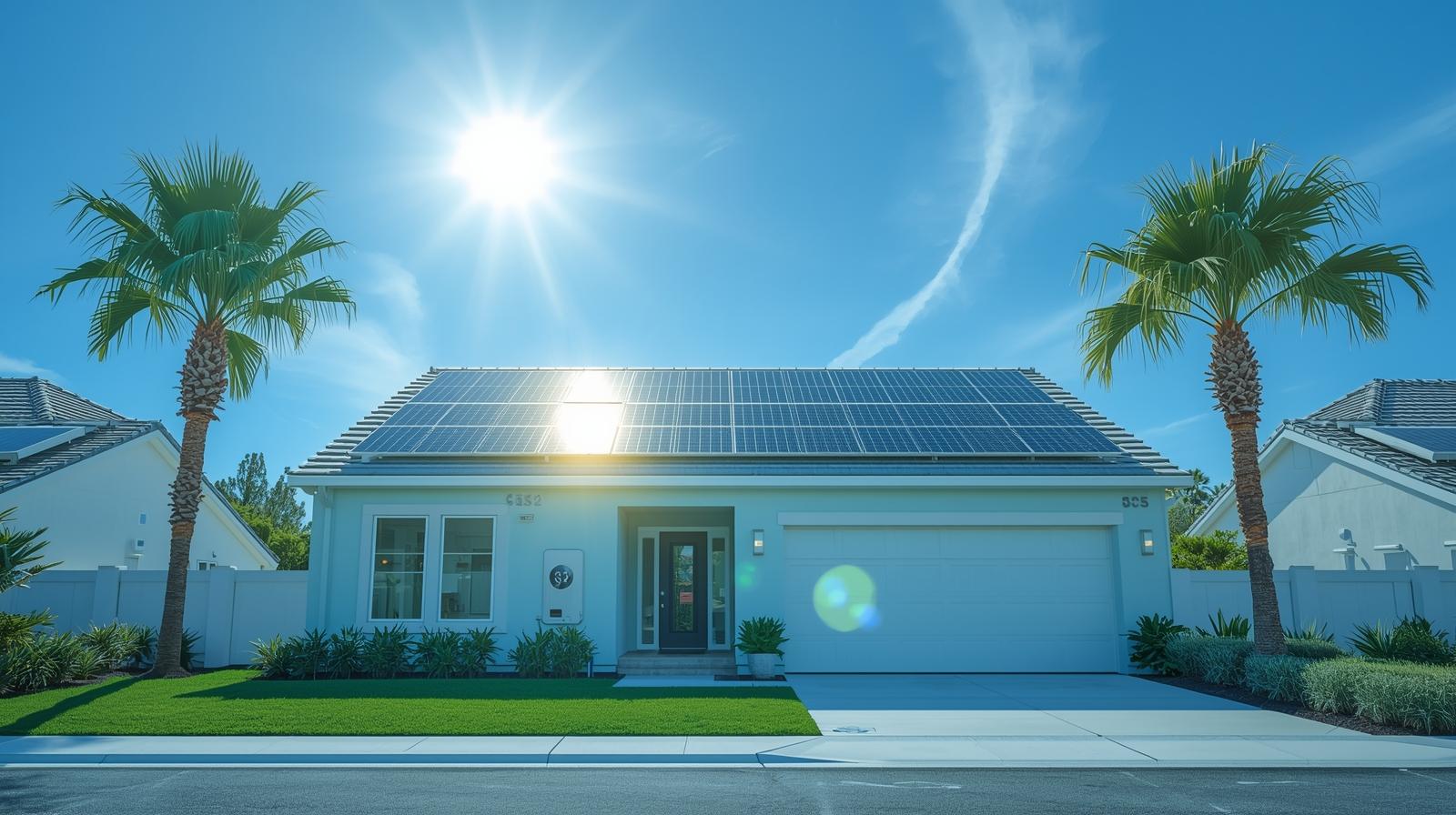
Is solar worth it in 2026? In states like California or Massachusetts, the answer is almost always yes, but the math has changed. With the rise of 'Net Metering 3.0' in many states, you get less credit for sending power back to the grid. This means you need a battery. Without storage, solar is only half a solution in today's market.
Regional Deep Dives: A Closer Look
The Northeast: The High-Cost King
New England continues to have some of the highest rates in the country. Why? Limited pipeline capacity and a heavy reliance on imported Liquefied Natural Gas (LNG) during the winter. If you live here, your focus should be on insulation and heat pump efficiency.
The South: The Humidity Tax
In states like Florida and Georgia, the rates look 'average,' but the bills are huge. Why? The AC never stops. In these regions, the cost per kWh is only half the story; the total volume of use is what kills your budget. High-efficiency cooling is the only way out.
The Midwest: The Transition Zone
The Midwest is currently in a massive transition from coal to wind. This has kept rates relatively stable, but as the old plants retire, we are seeing temporary spikes to cover the construction of new wind farms and battery storage facilities.
Final Thoughts for 2026
Electricity isn't getting cheaper. The days of 'set it and forget it' utilities are over. To keep your costs down, you have to be an active participant in your home's energy ecosystem. Monitor your usage, understand your state's specific rate structure, and don't be afraid to invest in tech that pays for itself in lower monthly bills.
Frequently Asked Questions
Why is my electricity bill so high even when I use less power?
In 2026, many utilities have increased 'fixed charges' and 'delivery fees.' These costs cover grid maintenance and wildfire prevention, and they stay the same regardless of how much energy you actually consume.
What is the cheapest time of day to use electricity?
Generally, 'off-peak' hours are between 11:00 PM and 6:00 AM. Many states also have 'super off-peak' windows during the day if there is high solar production on the grid.
Does switching providers actually save money in deregulated states?
Yes, but you must watch out for 'teaser rates' that jump after three months. Always look for a fixed-rate contract that covers at least 12 months to avoid seasonal price spikes.